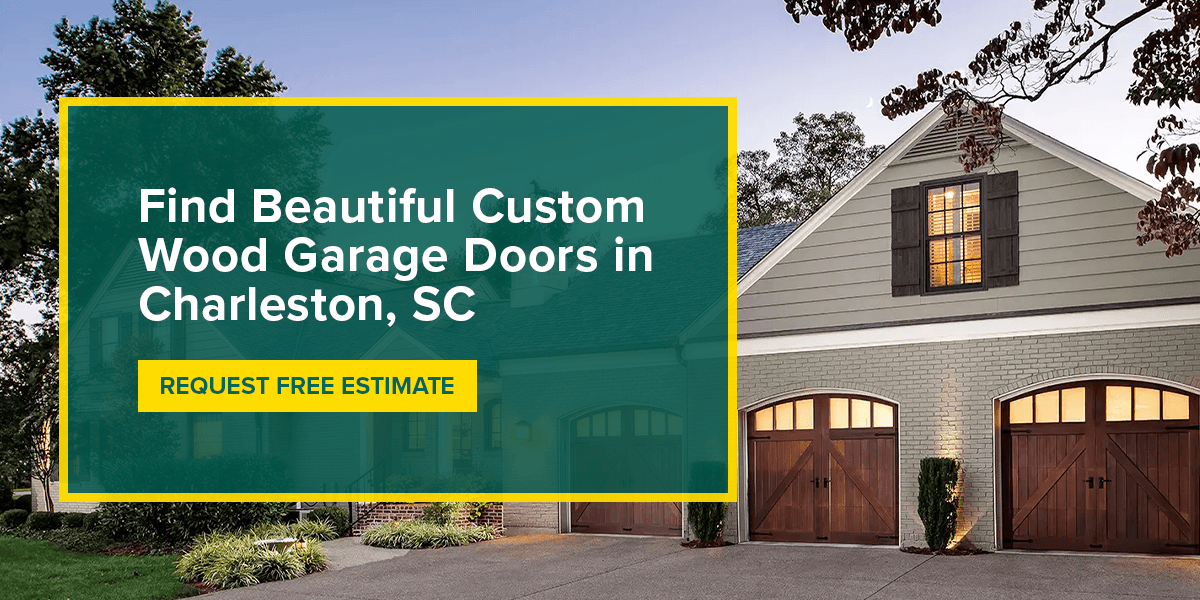
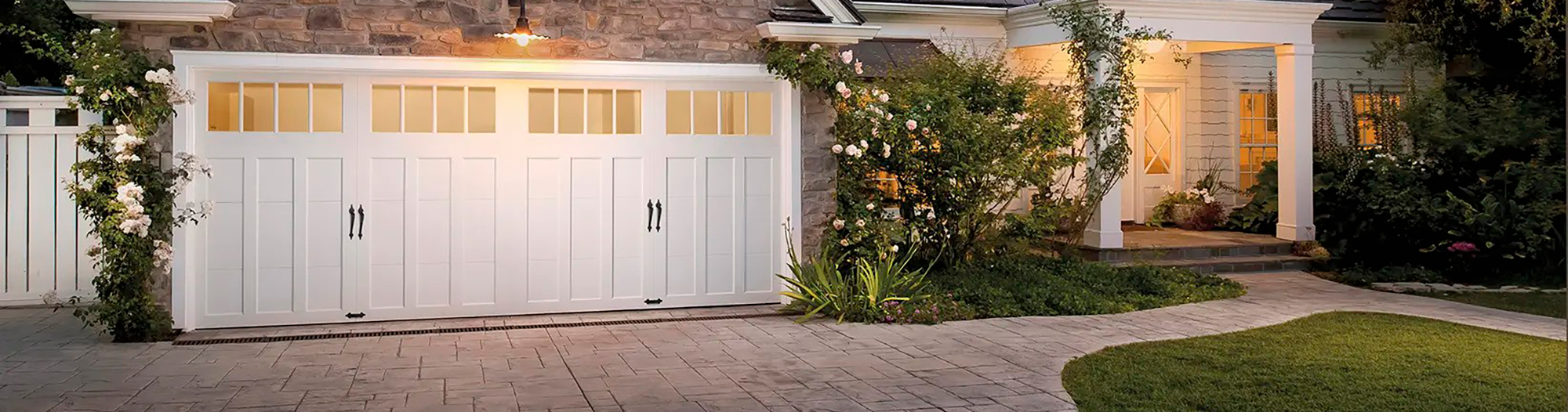
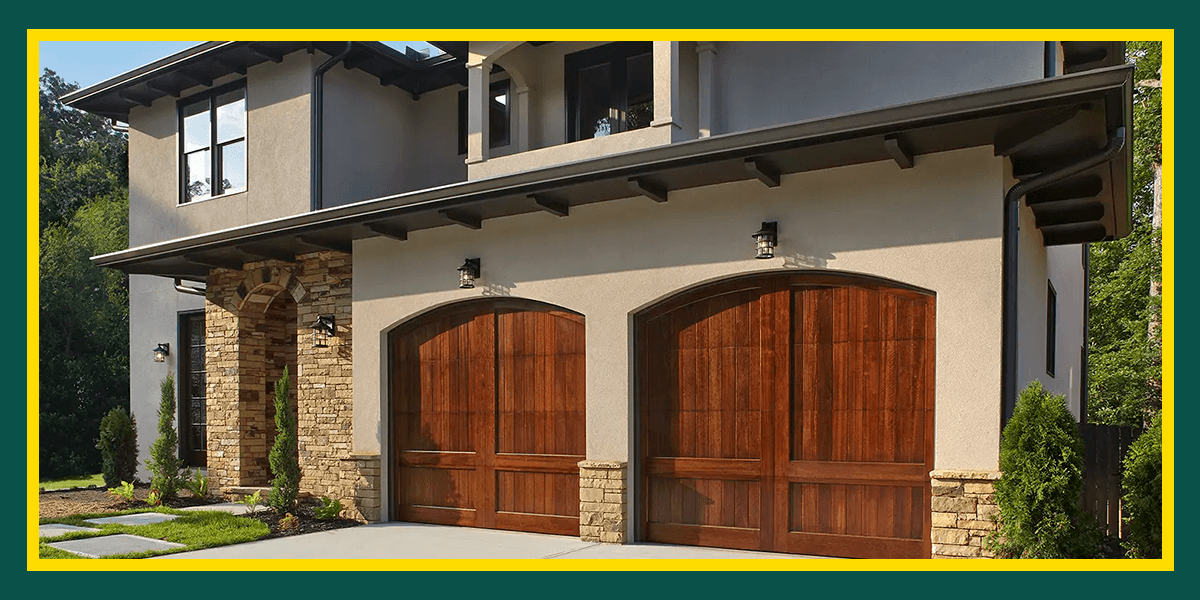
A custom wood garage door adds warmth, character and beauty to Charleston homes. Its timeless appeal complements both seaside contemporary designs and traditional Lowcountry architecture.
In a coastal climate, wood selection matters as much as style. Some types handle high humidity, salty air and UV exposure better than others. Pairing the right wood with a quality finish ensures your garage door remains strong year after year. But which species should you choose?
Explore wood types, finish options and maintenance tips to get the most from your new custom garage door.
Why Wood Choice Matters in a Coastal Climate
Charlestonians are no strangers to intense heat, strong winds and humid summers. These conditions can take a toll on wood. Wood is a “living” material that absorbs moisture, causing it to expand and contract. Over time, this can lead to swelling, warping, decay or rot. Add salt-laden ocean air to the mix, and you have a recipe for premature aging.
The good news? You can still have the authentic wood garage door of your dreams. Certain species have natural qualities that make them more resistant to these environmental stressors. Finished with a protective coating, these wood types thrive in coastal areas.
Comparing Charleston Garage Door Wood Types
Explore the top wood choices for Charleston garage doors:
Durable and Aromatic Cedar
Cedar contains oils that give it natural resistance to decay, rot and insect damage. The aromatic compounds discourage wood-boring insects that plague other species in sticky climates. It has good dimensional stability compared to many softwoods.
Dimensional stability refers to wood’s ability to maintain its original size and shape despite changes in humidity or temperature. A more stable wood is less prone to warping or cracking.
If your home has a rustic feel, cedar is a good choice. Its warm tones and distinctive grains complement Lowcountry architecture. The color ranges from light pinkish-brown to deep, rich reddish-brown, often with hints of amber.
Like any wood garage door, cedar needs to be sealed, painted or stained to withstand moist, salty ocean air.
Luxurious and Strong Mahogany
Mahogany is a dense, strong wood with weather-resistant properties. Here are some of its key features:
- Durability: Mahogany is exceptionally durable, making it ideal for coastal environments. It withstands temperature changes, insect damage and humidity. This species also resists termites that often plague tropical climates.
- Stability: A low shrinkage rate means that mahogany keeps its shape when exposed to moisture. Expect less maintenance compared to some other woods.
- Longevity: Its decay-resistant properties increase the lifespan of mahogany garage doors. Proper sealing and care will ensure your custom door gives you years of reliable performance.
- Aesthetics: Rich reddish-brown coloring and fine, straight grain give mahogany a sophisticated appeal. Over time, the color darkens, lending to its elegant appearance.
African mahogany is a premium choice for garage doors. The versatile wood offers the look of more expensive Brazilian mahogany at a lower price.
Locally Sourced and Resilient Cypress
For homeowners who cherish local wood species, the bald cypress grows throughout South Carolina. While it is a softwood, cypress is highly stable, making it less likely to warp or twist.
A light, yellow-brown to gold color and straight grain give cypress garage doors a rustic yet refined appearance. A cypress garage door would suit modern or traditional homes.
Cypress heartwood (the center wood of a tree) contains an oil called cypressene. It acts as a natural preservative, helping fight rot and wood-boring insects common in moisture-prone areas.
High-End White Oak
Dense and strong, white oak has a closed cellular structure that helps prevent moisture absorption. Boatbuilders have used this species for centuries, making it ideal for marine conditions compared to most other woods. That heritage translates well to garage door applications.
The pale coloring gives it a clean, fresh aesthetic perfect for coastal homes. White oak works well for homes seeking a refined, classic look. Regular upkeep keeps it performing at its best in salty, high-moisture environments.
Striking a Balance With Wood Composite
Real wood garage doors need ongoing care to preserve their beauty in Charleston’s climate. If you love the look of wood but prefer less maintenance, composite materials offer an appealing middle ground.
Composites blend real wood fibers with steel or aluminum cores. You get the warmth and character of species like cedar, mahogany or cypress on the surface, with engineered strength underneath. The hybrid construction withstands moisture and temperature fluctuations. Composite doors handle seaside conditions without warping, rotting or splitting.
Faux wood takes things a step further. These doors use urethane or other synthetic materials to replicate wood’s grain and texture. This option works well if you want a wood appearance without the need for sealing, staining or refinishing. The downside is that they lack the authentic feel and character of genuine wood species.
The Best Stain and Finish Options for a Lowcountry Climate
Stains and finishes are the secret to a beautiful, long-lasting wood garage door. These final touches protect against the elements while bringing out the beauty of the timber.
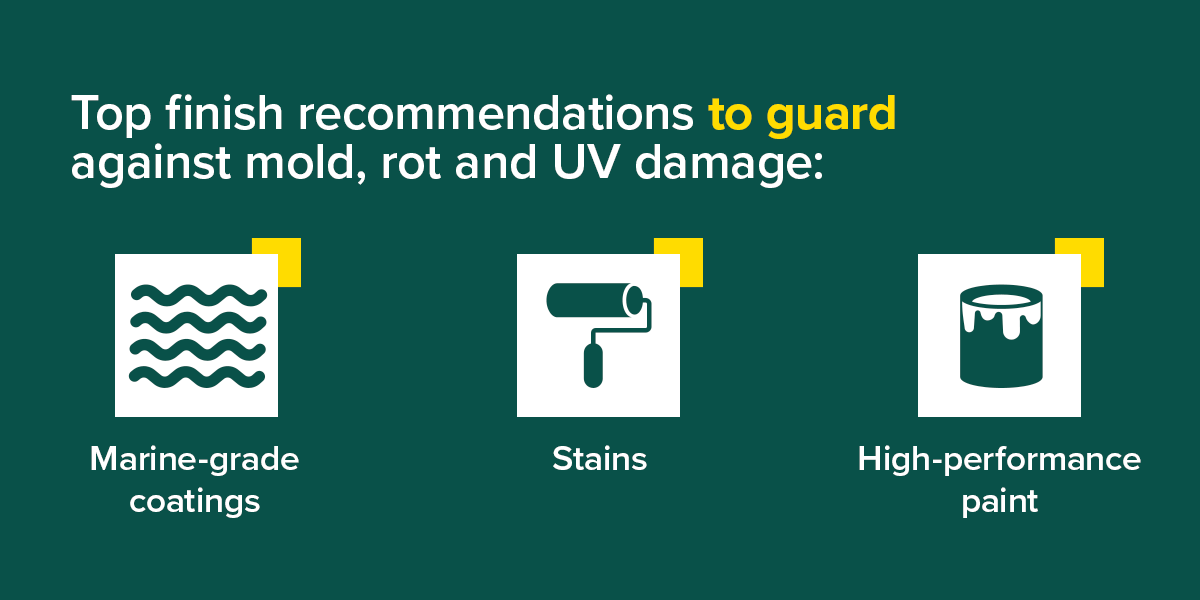
Here are the top finish recommendations to guard against mold, rot and UV damage:
- Marine-grade coatings: These coatings create a flexible, protective layer that guards against moisture and UV radiation. Used on boats and other marine equipment, they blend durability with water resistance.
- Stains: Unlike paint, which coats the surface, stains penetrate deep into wood. They carry color particles into the wood fibers, highlighting the texture and grain patterns. Choose oil stains over water-based stains. They protect the wood from within, preventing rot, mold and warping. Colored stains act like sunscreen for wood, preventing it from turning gray and deteriorating under sunlight.
- High-performance paint: For bolder colors, opt for paint. It lets you match your garage door to your home’s trim, shutter or siding. High-quality paint shields the door from harsh weather, blocking UV rays that fade and weaken the wood.
Maintaining Your Custom Wood Garage Door
Consistent care extends the life of wood garage doors while keeping them looking their best. The time you invest in upkeep pays off in longevity and appearance. Here are maintenance tips for wood garage doors in Charleston:
- Inspect for damage: Regular inspections can help catch small issues before they get worse.
- Clean with care: Wash the door with mild detergent and water to remove dirt and dust. Avoid pressure washing, as it can damage wood fibers.
- Sand and refinish: Before resealing, sand off the old finish. This step creates a smooth base and helps the new sealant to stick.
- Apply sealer or oil: Use a quality exterior wood sealer, oil-based stain or varnish to protect against moisture and UV rays.
- Lubricate components: Lubricate hinges, rollers and springs with a silicone-based spray or lithium grease to ensure smooth operation.
- Protect the bottom edge: Ensure the bottom weather stripping is intact to prevent water from seeping into the wood.
- Check hardware: Vibrations from daily use can loosen fasteners over time. Tighten bolts and screws to keep your door functioning as expected.
Find Beautiful Custom Wood Garage Doors in Charleston, SC
A long-lasting wood garage door starts with a high-quality product and professional installation. Southeastern Garage Doors offers both. We specialize in custom wood garage doors built for Lowcountry homes. As locals with over 100 years of collective experience, we understand how coastal conditions affect different wood types. Our team will walk you through species selection, finishes and design options that match your style. Choose from premium woods like rich African mahogany or durable cedar.
Create the garage door of your dreams. Call us at 843-747-6622 to discuss your ideas, or request an estimate online today.