Complete Guide to Wi-Fi Openers, Home Automation and Security in Charleston

Smart garage door openers with Wi-Fi connectivity are increasingly common features in Charleston homes. Upgrading to this technology can feel overwhelming when comparing app features, camera specs and integration options you may not fully appreciate, but the good news is that most of that complexity won’t affect your day-to-day use.
You likely don’t need every available bell and whistle when upgrading, but you should prioritize openers that will improve your home security, simplify your routine and connect you to other services you already use.
The Smart Garage Door Opener Features That Matter
Not every advertised feature of a smart garage door opener will transform your day-to-day routine. This breakdown focuses on the capabilities that deliver real value in daily life — security, convenience and control that fit naturally into your to-do list.
Wi-Fi Connectivity and Smartphone Control via the myQ® App
Built-in Wi-Fi and the myQ® app give you complete smartphone control of your garage door from anywhere. You can open or close the door remotely, monitor its status in real time and receive alerts the moment it opens or closes. It’s simple to let a family member in while you’re at work, close the door you forgot about on your way to the beach or double-check whether you secured your garage while you’re out running errands.
All three LiftMaster® openers in Southeastern Garage Doors’ lineup include built-in Wi-Fi and myQ® app connectivity. There’s no separate hub to buy or configure. The Wi-Fi garage door opener connects directly to your home network, and the app walks you through setup in minutes.
Real-Time Alerts and myQ® Diagnostics
Traditional openers often fail unexpectedly. Wi-Fi smart garage door openers with myQ® Diagnostics monitor themselves and send real-time status reports directly to your smartphone. If an issue such as a worn component, sensor misalignment or error code arises, you’ll receive an alert before the problem leaves you stuck in the driveway or forces you to coordinate an expensive emergency repair.
This proactive monitoring is particularly valuable for Charleston homeowners who travel frequently or rely on the garage as their primary entry point. Instead of discovering a malfunction when you’re already running late, myQ® gives you time to schedule proactive garage door repair services at your convenience.
Built-In HD Camera
This LiftMaster® 2220L garage door opener features a built-in HD camera, providing a live, real-time view of your garage’s activity from anywhere. This functionality allows remote monitoring via a smartphone app, offering peace of mind and enhanced security.
How Smart Openers Connect to Your Home and Your Life
A LiftMaster® smart garage door opener with myQ® connects your garage to the rest of your smart home, “talking” to your delivery providers and even your vehicle to make garage door home automation seamless and intuitive.
Amazon Key In-Garage Delivery
Package theft is a growing problem nationwide. According to the 2025 SafeWise Package Theft Report, “porch pirates” claimed approximately 104 million packages last year, costing American consumers around $15 billion. Amazon Key In-Garage Delivery offers a practical security solution for Charleston homeowners who frequently shop online.
When you enable this service with your myQ® garage door opener, Amazon will verify the driver’s location and identity before granting one-time access to your garage. Your driver will place your package safely inside, exit and tap to close the door behind them. You can watch the entire delivery in real time through the myQ® app or the built-in camera. The driver cannot reenter without a new authorization, and the system logs every access event.
Smart Home Integration and In-Vehicle Connectivity
The myQ® platform can become part of a wide range of smart home systems and services beyond your garage. Verified integrations let you automate routines, sync security systems and grant delivery access. You can view the full list of compatible platforms and brands on the official myQ® integrations page.
- Home security systems: Vivint and Alarm.com integrate with myQ® so your garage door syncs with the rest of your security setup.
- Smart home platforms: Resideo, IFTTT, Control4 and Crestron let you create custom automations and trigger devices based on garage activity.
- Delivery services: Amazon Key and Walmart+ InHome enable secure in-garage package and grocery deliveries.
- In-vehicle connectivity: Take convenience a step further. The myQ® system syncs with select vehicles from brands including Tesla, Honda, Hyundai, Kia, Nissan, INFINITI, Mercedes-Benz, Volkswagen, Acura and Mitsubishi. Your garage door will open automatically as you pull into the driveway, so there’s no need to reach for a remote or your smartphone.
Battery Backup for Charleston’s Coastal Weather
Power outages from coastal storms and hurricane season are a reality for Charleston homeowners. Battery backup ensures your garage door continues to operate even when the power goes out. Backup power is critical if you need to leave during an outage or you return home to find your neighborhood has lost electricity.
Select LiftMaster® models in Southeastern Garage Doors’ lineup include battery backup as a standard feature. The 98022 Elite Series wall mount opener and the LiftMaster® 6690L offer this capability, giving you reliable access regardless of weather conditions. The LiftMaster® 2220L does not have battery backup.

Choosing a LiftMaster® Opener for Your Home
Not every homeowner needs the same smart garage door opener. It depends on your home’s layout, how you use your garage and which features matter most to you. Southeastern Garage Doors’ team can help you narrow down the options based on your specific needs.
The LiftMaster® 6690L Smart Opener
The LiftMaster® 6690L is a smart opener designed for homeowners seeking advanced features and reliable performance.
-
Power and performance: Features a 1¼ HP-equivalent, 12V DC motor and a reinforced belt drive system for ultra-quiet operation and durability.
-
Built-in 360-degree camera: Enjoy 24/7 monitoring with an adjustable wide-angle view and full night vision, allowing you to see what’s happening in your garage at all times.
-
360-degree LED lighting: Illuminates your entire garage with an integrated 2,000-lumen LED ring for improved visibility and safety.
-
Battery backup and myQ® connectivity: The 485LM Garage Door Opener Battery ensures continuous operation during power outages, while myQ® connectivity provides smartphone control, monitoring and real-time alerts from anywhere.
-
Security+ 3.0™: Advanced encryption and anti-burglary coding, along with a 1,300-foot remote operating range, provide enhanced security.
-
Amazon Key compatibility: Enables secure in-garage delivery for Prime members.
The Elite Series Wall Mount
The LiftMaster® 98022 Elite Series wall mount opener is ideal for homes where the garage shares a wall with living spaces or has limited ceiling height. It mounts directly on the wall instead of the ceiling, operates nearly silently with zero vibration, includes battery backup and supports up to 16 remote 827LM work lights.
This option is ideal for homeowners who prioritize quiet, space-saving efficiency and fast operation for tall or heavy doors.
Get a Smart Garage Door Opener
Southeastern Garage Doors makes upgrading to a smart opener straightforward. Our team has 100 years of combined experience helping Charleston homeowners find quality openers for their specific home and lifestyle, then handling professional installation with the same-day service that sets us apart.
We’ll walk you through your options without pressure or confusion. Browse our full lineup of LiftMaster® smart openers, request a free estimate or schedule same-day service by calling 843-747-6622.

How a New Garage Door Increases Your Charleston Home’s Value
You’re weighing whether a new garage door is worth the investment. It’s a fair question. Charleston homeowners don’t throw money at upgrades that won’t pay off. You want proof that the return justifies the cost before a single contractor shows up.
The short answer? A garage door replacement delivers one of the highest returns on investment (ROI) in home improvement, more than paying for itself. The longer answer involves curb appeal, buyer psychology and financial data showing how upgrading your garage door can increase home value dramatically. If you’re considering selling or simply want to invest strategically in your property, the numbers make a strong case.
The ROI on a New Garage Door Is Hard to Ignore
Among the best ROI home improvements available today, few upgrades can match the garage door replacement cost vs. value. According to national data on home improvement ROI, an investment of $4,672 adds $12,507 in resale value, yielding a 267.7% ROI. Compared to 27 other home improvement projects evaluated, the average cost recouped was just 76%. Even popular upgrades like kitchen remodels and bathroom renovations don’t come close to matching the new garage door home value boost.
And the data is trending up — garage door replacement ROI climbed from 103% in 2023 to 193% in 2024, then jumped to 267% in 2025. That is a 164% increase in the return on investment in garage doors over just three years.
Curb Appeal That Changes How Buyers See Your Home
If you’re selling your home, the garage door is one upgrade you can’t afford to ignore. The difference between a tired door and a fresh, modern replacement can translate directly into buyer interest and offer amounts. This is because your garage door is often the largest single element of your home’s front exterior, and buyers form their first impression before they step out of the car. That impression matters more than most sellers realize.
The National Association of REALTORS® (NAR) uses data to study the impact of remodels on home value, and found that:
- 97% of NAR members say curb appeal is important for attracting buyers
- 92% of members recommend improving curb appeal before listing a home
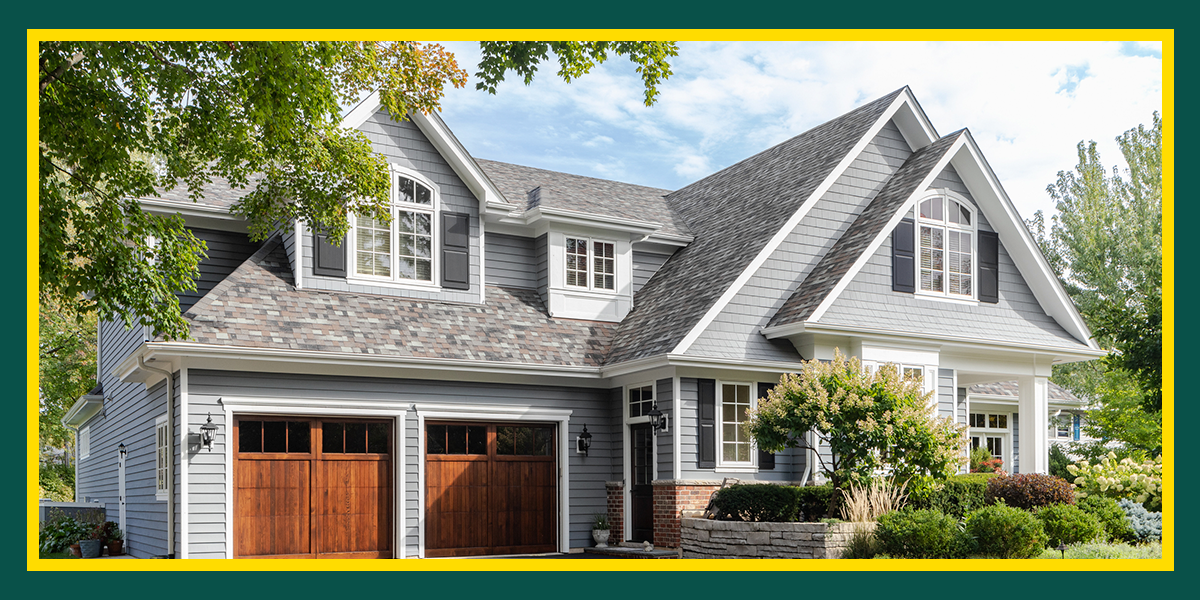
In Charleston, where historic charm and architectural character define property values, a door that fits the home’s aesthetic signals pride of ownership and quality throughout. The connection between garage door and home value is especially pronounced in markets where buyers scrutinize every exterior detail. Buyers who see a worn, mismatched, or outdated door at the curb often decline to tour the interior.
A “no” at the curb means a missed offer, and in a market where first impressions carry weight, garage door resale value becomes one of the most cost-effective ways to boost your listing price.

The Functional Value a New Door Adds
Buyers aren’t just paying for good looks. They’re paying for a home that works better. A new garage door adds functional value that compounds your home’s ROI in three key ways:
- Energy efficiency matters year-round: The garage door is the largest moving thermal boundary in a typical home. An uninsulated door transfers significantly more heat than an insulated one, increasing heating, ventilation and air conditioning (HVAC) load in every season. In Charleston’s hot, humid coastal climate, an insulated door helps protect the garage and adjacent living spaces from heat and moisture, reducing utility costs and improving comfort. Buyers notice that during walk-throughs, especially when energy efficiency is a stated priority.
- Modern security and smart technology add peace of mind: New doors with smart openers and modern locking systems signal that the home is well-maintained and up to date. Smart technology features are increasingly expected by buyers in the mid- to upper-price range. A door that offers those features removes a question mark and adds a check mark.
- Quiet, reliable operation eliminates red flags: A new door operates smoothly and reliably, eliminating concerns buyers might raise during inspection or walk through. Old, noisy or malfunctioning doors suggest deferred maintenance throughout the property. A smooth, quiet door sends the opposite message — this home has been cared for.
Choosing the Right Garage Door
You’re convinced a new door adds value. The next step is choosing the right one. The right door for a historic South of Broad home is different from the right door for a modern Mount Pleasant build. Door style and material directly affect the visual impact and the resale return. A door that matches the home’s architecture commands a stronger buyer response. The main options to consider:
- Canyon Ridge® doors for traditional charm with modern durability: These doors offer a carriage house aesthetic with modern construction, making them a strong choice for Charleston homes where traditional and coastal styles dominate. They deliver the look of wood without the maintenance, and they hold up well in humid climates.
- Custom wood garage doors for premium properties: For homeowners prioritizing maximum curb appeal on luxury and historic properties, custom wood garage doors — available in materials like knotty alder, white oak, Spanish cedar, ironwood and African mahogany — create a visual impact that sets the property apart.
- Steel and composite options for budget-conscious upgrades: According to recent garage door cost data, replacement projects typically range from $750 to $5,500, depending on material and customization level. Steel, aluminum and composite options each offer different benefits, and the right choice depends on your home’s style, your budget and how long you plan to stay in the property.
If you’re still in the exploration phase, the Door Imagination System allows you to upload a photo of your home and preview door options before committing. It’s a practical tool for homeowners who want to see the transformation before making a final decision. Explore the full range of residential garage doors to compare styles, materials and features that fit your Charleston home.
Get Started With Southeastern Garage Doors
A new garage door is a strategic investment with a proven ROI. If you’re ready to add value to your Charleston home, Southeastern Garage Doors has the experience and service to make it happen. We carry Clopay® residential garage doors, including custom wooden doors for a design personalized for your property. View real examples of our work in our featured projects to understand the visual transformation a new door delivers.
Southeastern Garage Doors has over 100 years of combined experience serving the Charleston area, a full selection of residential garage doors and we specialize in same-day service. Call 843-747-6622 or request a free estimate to get started. From selection to garage door installation, Southeastern Garage Doors handles every step.

Is It Better to Repair or Replace Your Garage Door?
Garage doors are used multiple times a day. Over time, this constant opening and closing causes wear and tear. Even the most durable garage doors require maintenance to stay in good condition and operate as they should.
However, your garage door may still malfunction and stop working correctly, even with regular inspections and maintenance. You may wonder whether it’s worth the time and effort to repair your garage door, or if you should replace it and resolve the problem once and for all.
Some issues are easy to fix, while others are warning signs that a replacement is necessary. This article will help you determine when to repair your garage door, when to invest in a replacement and what factors you need to consider before making your decision.
When to Repair Your Garage Door
If your garage door is still in good condition and has minor operational or cosmetic issues, repairing it is generally the best option. Common problems such as worn or broken components and slow or noisy operations are often simple, fast and inexpensive to fix. With a replacement part or a quick clean, you can restore your garage door to its proper functioning.
Here are garage door issues that are typically easy to repair.
1. The Garage Door Opener or Sensors Are Faulty
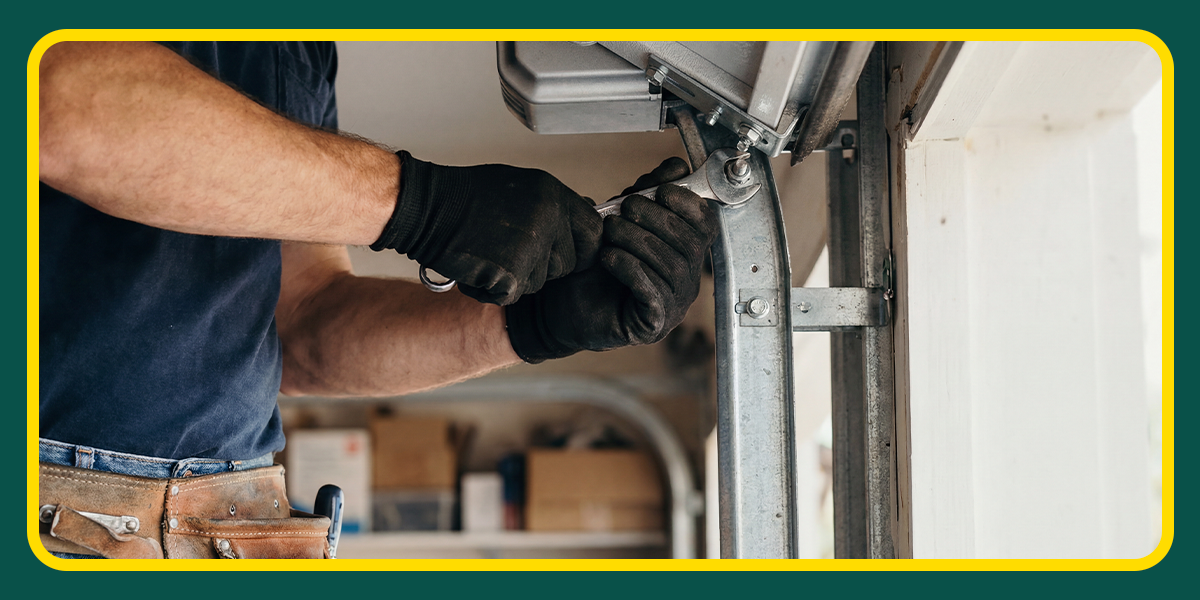
Is your garage door not opening or closing? Or does it keep reversing? You may have an outdated garage door opener system or misaligned sensors. Mechanical wear and tear and wiring issues can affect their operation over time. While your garage door opener can be repaired, sometimes it’s worth replacing it with a newer model that offers modern safety features and innovative technology.
Faulty sensors could either be dirty or misaligned. Troubleshoot them by removing dirt, dust or spiderwebs that might be blocking the sensor lenses’ beam, then open or close the garage door. If cleaning them doesn’t fix the problem, then it might be time to replace your sensors.
2. Panels and Weatherstripping Are Damaged
Damaged panels can affect your curb appeal, compromise insulation and become a security risk. But with a new panel or two, your garage door could be as good as new. Panels with isolated dents, cracks or corrosion can be replaced individually, rather than replacing the entire garage door.
Weatherstripping keeps moisture, dirt and pests out of your garage space. Over time, these seals tear, become brittle and create gaps where light and air can pass through. This affects your garage’s insulation. If you notice drafts or pooling water in your garage, replacing the weatherstripping is a small yet effective solution to keep the weather out and warm or cool air in, depending on the season.
3. Tracks and Rollers Are Misaligned or Worn
Noisy and jerky garage doors are annoying — even more so when the door is struggling to open or close. This could mean either that your track is misaligned or that the rollers are worn. Inspect and maintain both of these components to ensure they’re free from rust, bends and damage.
To extend your garage door’s longevity and performance, schedule repairs or replacements for these components as soon as you notice problems to avoid extensive damage and costly fixes in the long run.
4. The Cables or Springs Are Broken
Springs and cables do the heavy lifting when your garage door opens and closes. They’re essential for balancing and supporting the door’s weight.
If the torsion springs are broken, the door becomes unstable and unsafe, posing a risk to anyone nearby. Although these springs can last for years, they need to be checked often to ensure the garage door mechanism runs smoothly and doesn’t strain when opening or slam shut when closing. Faulty cables cause garage doors to move unevenly, adding more strain to the torsion springs.
When to Replace Your Garage Door
The return on investment and added value to your home often make replacing your garage door worthwhile. If your garage door has outlived its lifespan, requires frequent repairs and has severe structural damage, a replacement is a long-term and cost-effective solution.
Here are signs that it’s time to replace your garage door.
1. It’s Reached the End of Its Lifespan
The average lifespan of a garage door is 15 to 30 years, if it’s well-maintained. If your garage door has reached the end of its service life and the frequency of repairs is increasing, it’s time to replace it. If it’s less than 10 years old, repairs might be a better solution.
2. There Is Excessive Damage
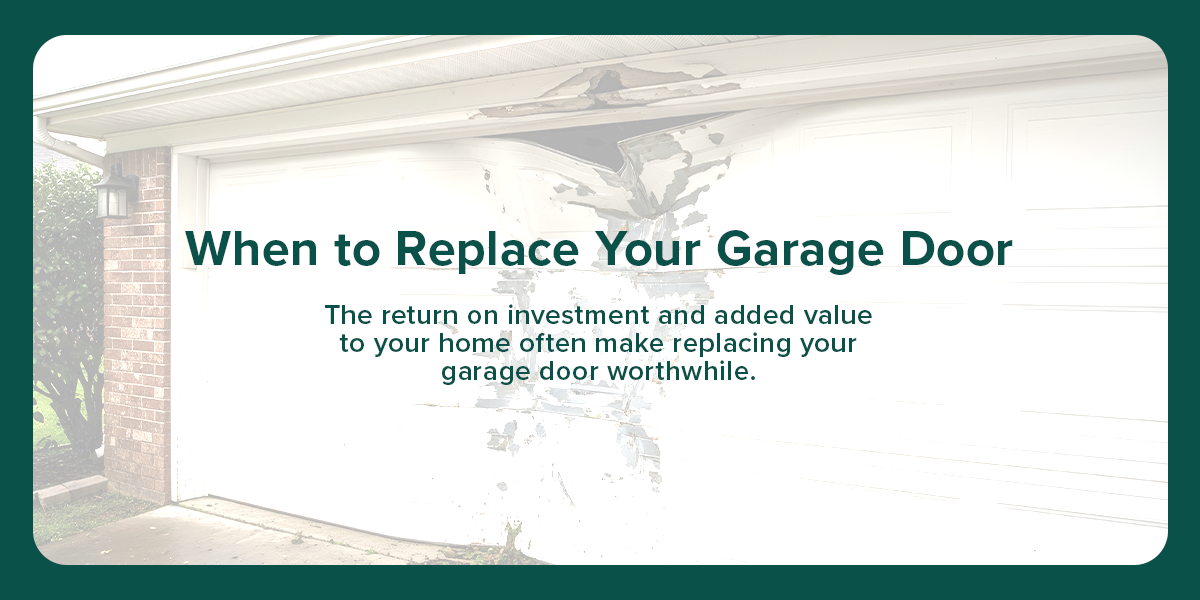
Garage doors in good condition usually only require maintenance, while severe damage poses safety and security risks and needs urgent replacement. Major structural damage caused by long-term weather exposure, accidental car impacts and improper use becomes a security risk when it affects operation. It weakens your door’s structure and can disrupt its functionality, making it easier for break-ins and breakdowns to occur. Warped, bent, rusted and cracked garage doors need to be replaced immediately to restore the security of your home.
If the door has become unpredictable and unstable, a replacement may be necessary.
3. It Needs Frequent Repairs
Find yourself constantly fixing the same issues? The more problems you fix over time, the less optimal the garage door’s functionality becomes. Frequent repairs for breakdowns and broken parts are also costly in the long run. A new garage door comes with new components and mechanisms, reducing maintenance requirements and hassles.
4. Technology and Features Are Outdated
Old garage doors don’t have the advanced technology of newer models. The older your garage door, the more likely it is that its parts and technology are no longer available or in use. Upgrading to a new or smart garage door offers convenience and enhances efficiency. Equipped with Wi-Fi connectivity and other features, you can operate and monitor your garage door remotely through your smartphone.
5. You’ve Had an Increase in Energy Costs
Are your energy bills climbing? It might be your garage door’s fault. Older doors may lack effective insulation, making it difficult to regulate and retain the temperature in your garage. To compensate, you either turn up the heat in winter and overuse the air conditioning in summer. This results in increased electricity use, higher utility costs and wasted energy.
Reliable Garage Door Repairs and Replacements
Various factors influence your decision to repair or replace your garage door. Relatively new doors with minor problems can extend their operation and longevity with regular maintenance and repairs. If your garage door is old and affects your security, safety and daily routine, a garage door replacement may be the smarter choice.
Whether you need to fix damaged panels to improve the aesthetics of your garage door or require a full replacement after years of wear and tear, Southeastern Garage Doors is here to help. With 100 years of combined experience in garage door maintenance and installation in Charleston, our experienced team knows how to keep your door operating smoothly. We specialize in same-day service, ensuring all issues are handled quickly.
Call us on (843) 747-6622 for quick, professional and reliable garage door services.
How To Tell If I Need to Get My Garage Door Repaired
How Do I Know if I Need to Get My Garage Door Repaired?
You should get your garage door repaired if you notice signs such as unusual operation, noise or response time. Here’s how to tell if you need to get your garage door repaired:
Your Garage Door Won’t Close or Open
An inability to open or close is one of the main signs your garage door needs attention. If you replace your garage door opener batteries and the door still won’t open or close, it’s important to seek professional repair.
Unusual Noises Occur With Opening and Closing
Garage doors should open smoothly and quietly. Squeaking, banging or grinding sounds can indicate mechanical complications such as:
- Worn or loose rollers
- A need for lubrication on moving parts
- Track misalignment
- Broken springs
- Broken cables
Response Times Are Slow or Delayed
A garage door should respond to your opener within a couple of seconds. If its movement is delayed or sluggish, the issue may be a failed motor or damaged rollers. Electrical issues in your opener system can also impact response times.
The Door Snaps Open or Slams Closed During Balance Tests
An annual or biannual balance test can help you determine if you need new tension springs or rollers. Detach your door from its opener, lift the door on its tracks and let go. The door is balanced if it stays in place, but it needs repair if it snaps open or slams closed.
Components Have Visible Wear
Schedule garage door maintenance if you notice the following signs of wear and tear:
- Rust
- Frayed cables
- Damaged or bent tracks
- Weather stripping on panels
- Cracks on panels
You Notice Higher-Than-Usual Energy Bills
Poor insulation and missing or cracked weather stripping can let drafts into your home, resulting in higher heating and cooling bills. If your energy bill seems higher than usual, you may need new seals or an insulated garage door. This can help regulate your home’s temperature and reduce heating and cooling costs.
The Door Reverses Unexpectedly
Your garage door may reverse unexpectedly if the safety sensors are misaligned or dirty. This can also occur if your opener system fails, and prompt repair is vital for safety.
Manual Operation Feels Uneven or Heavy
Well-balanced garage doors lift with ease. If your door feels uneven or heavy when you manually lift it, you may need new springs or spring repair. Extension or torsion springs support your door’s weight, and broken or weak springs can cause hazardous operation.
Contact Southeastern Garage Doors for Expert Repairs
Southeastern Garage Doors offer professional garage door repairs to restore smooth, safe operation. Contact us to learn more about our maintenance and repair services.