
How a New Garage Door Increases Your Charleston Home’s Value
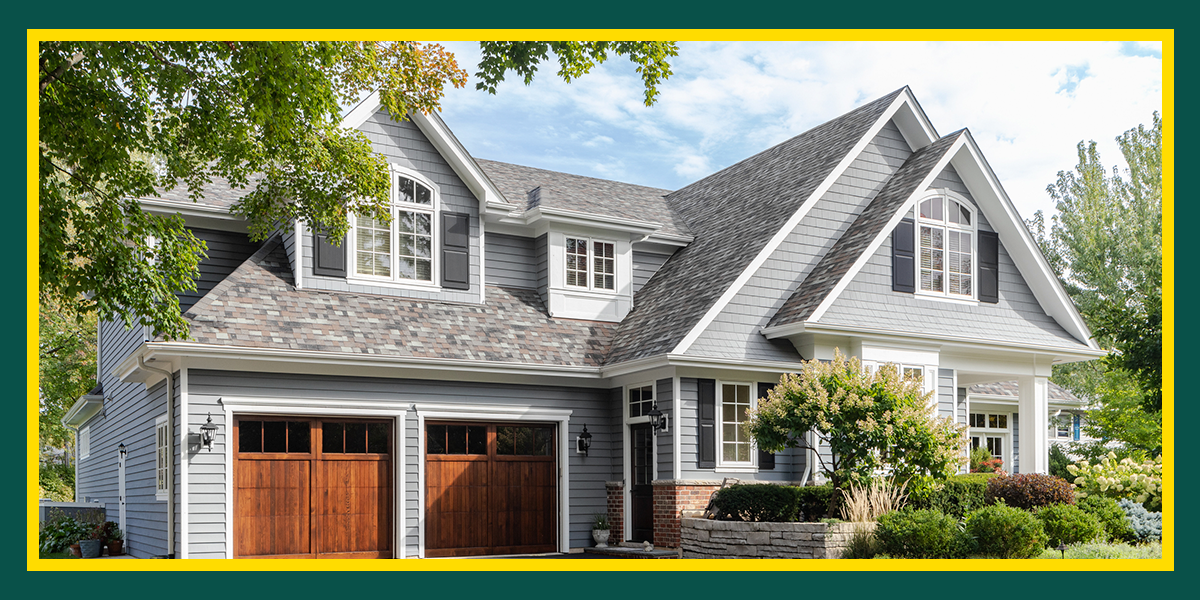
You’re weighing whether a new garage door is worth the investment. It’s a fair question. Charleston homeowners don’t throw money at upgrades that won’t pay off. You want proof that the return justifies the cost before a single contractor shows up.
The short answer? A garage door replacement delivers one of the highest returns on investment (ROI) in home improvement, more than paying for itself. The longer answer involves curb appeal, buyer psychology and financial data showing how upgrading your garage door can increase home value dramatically. If you’re considering selling or simply want to invest strategically in your property, the numbers make a strong case.
The ROI on a New Garage Door Is Hard to Ignore
Among the best ROI home improvements available today, few upgrades can match the garage door replacement cost vs. value. According to national data on home improvement ROI, an investment of $4,672 adds $12,507 in resale value, yielding a 267.7% ROI. Compared to 27 other home improvement projects evaluated, the average cost recouped was just 76%. Even popular upgrades like kitchen remodels and bathroom renovations don’t come close to matching the new garage door home value boost.
And the data is trending up — garage door replacement ROI climbed from 103% in 2023 to 193% in 2024, then jumped to 267% in 2025. That is a 164% increase in the return on investment in garage doors over just three years.
Curb Appeal That Changes How Buyers See Your Home
If you’re selling your home, the garage door is one upgrade you can’t afford to ignore. The difference between a tired door and a fresh, modern replacement can translate directly into buyer interest and offer amounts. This is because your garage door is often the largest single element of your home’s front exterior, and buyers form their first impression before they step out of the car. That impression matters more than most sellers realize.
The National Association of REALTORS® (NAR) uses data to study the impact of remodels on home value, and found that:
- 97% of NAR members say curb appeal is important for attracting buyers
- 92% of members recommend improving curb appeal before listing a home
In Charleston, where historic charm and architectural character define property values, a door that fits the home’s aesthetic signals pride of ownership and quality throughout. The connection between garage door and home value is especially pronounced in markets where buyers scrutinize every exterior detail. Buyers who see a worn, mismatched, or outdated door at the curb often decline to tour the interior.
A “no” at the curb means a missed offer, and in a market where first impressions carry weight, garage door resale value becomes one of the most cost-effective ways to boost your listing price.

The Functional Value a New Door Adds
Buyers aren’t just paying for good looks. They’re paying for a home that works better. A new garage door adds functional value that compounds your home’s ROI in three key ways:
- Energy efficiency matters year-round: The garage door is the largest moving thermal boundary in a typical home. An uninsulated door transfers significantly more heat than an insulated one, increasing heating, ventilation and air conditioning (HVAC) load in every season. In Charleston’s hot, humid coastal climate, an insulated door helps protect the garage and adjacent living spaces from heat and moisture, reducing utility costs and improving comfort. Buyers notice that during walk-throughs, especially when energy efficiency is a stated priority.
- Modern security and smart technology add peace of mind: New doors with smart openers and modern locking systems signal that the home is well-maintained and up to date. Smart technology features are increasingly expected by buyers in the mid- to upper-price range. A door that offers those features removes a question mark and adds a check mark.
- Quiet, reliable operation eliminates red flags: A new door operates smoothly and reliably, eliminating concerns buyers might raise during inspection or walk through. Old, noisy or malfunctioning doors suggest deferred maintenance throughout the property. A smooth, quiet door sends the opposite message — this home has been cared for.
Choosing the Right Garage Door
You’re convinced a new door adds value. The next step is choosing the right one. The right door for a historic South of Broad home is different from the right door for a modern Mount Pleasant build. Door style and material directly affect the visual impact and the resale return. A door that matches the home’s architecture commands a stronger buyer response. The main options to consider:
- Canyon Ridge® doors for traditional charm with modern durability: These doors offer a carriage house aesthetic with modern construction, making them a strong choice for Charleston homes where traditional and coastal styles dominate. They deliver the look of wood without the maintenance, and they hold up well in humid climates.
- Custom wood garage doors for premium properties: For homeowners prioritizing maximum curb appeal on luxury and historic properties, custom wood garage doors — available in materials like knotty alder, white oak, Spanish cedar, ironwood and African mahogany — create a visual impact that sets the property apart.
- Steel and composite options for budget-conscious upgrades: According to recent garage door cost data, replacement projects typically range from $750 to $5,500, depending on material and customization level. Steel, aluminum and composite options each offer different benefits, and the right choice depends on your home’s style, your budget and how long you plan to stay in the property.
If you’re still in the exploration phase, the Door Imagination System allows you to upload a photo of your home and preview door options before committing. It’s a practical tool for homeowners who want to see the transformation before making a final decision. Explore the full range of residential garage doors to compare styles, materials and features that fit your Charleston home.
Get Started With Southeastern Garage Doors
A new garage door is a strategic investment with a proven ROI. If you’re ready to add value to your Charleston home, Southeastern Garage Doors has the experience and service to make it happen. We carry Clopay® residential garage doors, including custom wooden doors for a design personalized for your property. View real examples of our work in our featured projects to understand the visual transformation a new door delivers.
Southeastern Garage Doors has over 100 years of combined experience serving the Charleston area, a full selection of residential garage doors and we specialize in same-day service. Call 843-747-6622 or request a free estimate to get started. From selection to garage door installation, Southeastern Garage Doors handles every step.

Garage Door Maintenance: Year-Round Charleston Schedule
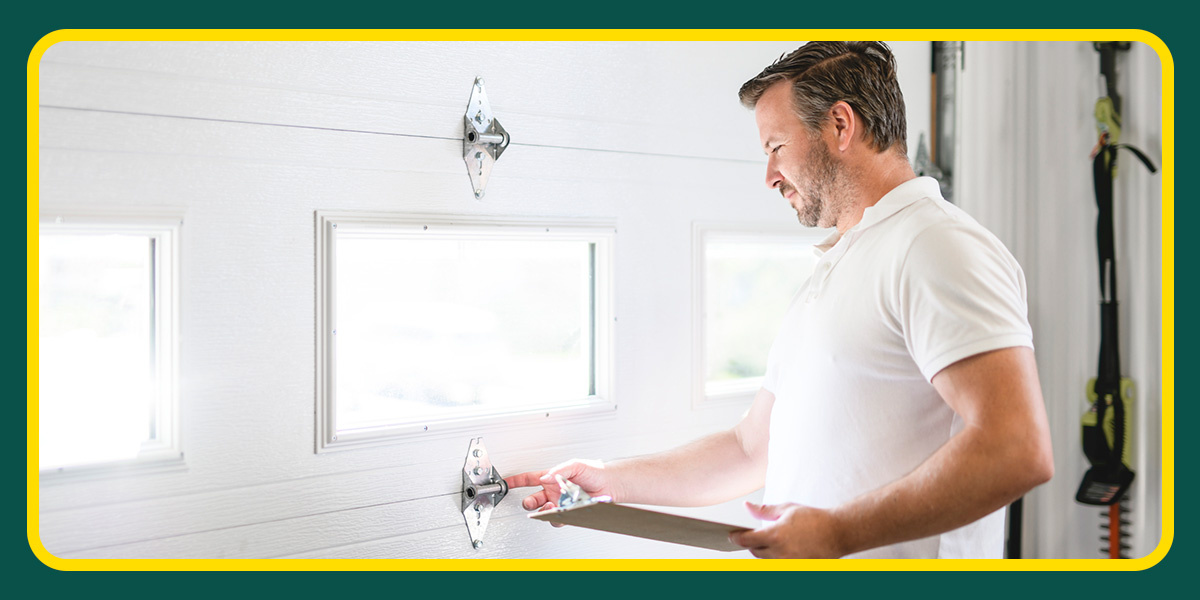
Coastal living demands a specialized approach to garage door maintenance. With Charleston’s average humidity between 67% and 79% year-round and peaking during summer months, dampness becomes a persistent threat to metal components, lubricants and weather sealing. Proximity to the Atlantic Ocean introduces salt air corrosion, which accelerates metal degradation in coastal environments.
Hurricane season adds another layer of concern. Over 90% of house damage in severe windstorms begins with garage door failure. For Charleston County homeowners, this reality underscores the importance of preventive maintenance tailored to local conditions. By understanding how seasonal weather variations affect your garage door, you can develop a reliable maintenance checklist to protect one of your home’s largest openings.
Season-By-Season Maintenance for Charleston Homes
The area’s distinct seasonal patterns require a strategic approach to garage door maintenance.
Spring (March-May)
Spring garage door maintenance in Charleston focuses on recovery and preparation. After winter dormancy, your garage door needs fresh lubrication on all moving parts, including hinges, rollers and springs. Pollen season can cause a heavy buildup on safety sensors, so clean the photo-eye lenses with a soft cloth to ensure proper function.
Inspect weather stripping for cracks or gaps that developed during cooler months. Humidity begins climbing in spring, making this the ideal time to replace worn seals before summer dampness arrives. Check all hardware for rust spots that may have formed during winter, as addressing corrosion early prevents larger garage door problems later.
Summer (June-August)
Summer garage door care centers on humidity protection. August brings peak humidity levels, creating prime conditions for rust formation and wood warping on custom doors. Apply lubricant more frequently during these months — water vapor displaces protective coatings faster in humid conditions.
UV exposure damages rubber components and fades painted surfaces. Inspect rollers and weather seals for brittleness or cracking.
Fall (September-November)
Preparing garage doors for hurricanes becomes critical during fall maintenance. Testing your door’s manual operation now ensures you can open it during power outages when storms hit. All hardware — bolts, brackets and track fasteners — should be tightened, as hurricane-force winds exploit any weakness in your door’s structure.
Fall is the time to verify your garage door meets wind-rating standards and hurricane-proof your garage for storm season. The FORTIFIED Home program recommends doors that comply with ANSI/DASMA 108 standards for coastal properties. Consider upgrading if your current door lacks proper reinforcement, especially given the region’s hurricane exposure.
Winter (December-February)
Winter garage door maintenance in Charleston remains lighter than in northern climates, but attention to detail still matters. Cooler temperatures cause metal components to contract slightly, so operate your door gently during cold snaps. Minimal protection against dampness continues through the winter months — wipe down metal surfaces if you notice condensation buildup.
Winter offers ideal timing for annual inspections by trained technicians. With hurricane season behind you and spring ahead, scheduling maintenance during these months ensures your system enters the demanding summer period in optimal condition.
Essential Maintenance for Springs, Openers and Tracks
Different components require specialized attention based on their function and exposure to coastal environmental factors.
Springs
Garage door spring maintenance demands caution and awareness. Monthly visual inspections help you spot rust, gaps in coils or signs of stretching before they become safety hazards. Apply a lubricant designed for high-tension springs to reduce friction and corrosion.
Never attempt to work on springs yourself. The tension required to lift a 400-pound door can cause severe injuries if the springs fail during DIY work. If you notice uneven door movement, unusual sounds or visible spring damage, contact spring replacement specialists immediately.
Opener
Garage door opener maintenance keeps automated systems reliable in coastal climates. Common maintenance for openers, such as LiftMaster, includes monthly testing of the auto-reverse feature by placing a solid object in the door’s path — proper function means immediate reversal upon contact. Annual battery replacement in remotes prevents frustrating failures.
Ocean air creates residue that blocks photo-eye beams, so seasonal cleaning and alignment of safety sensors becomes essential. Lubricate the opener’s chain or belt drive with appropriate products. Expert garage door opener service addresses motor failures, electrical issues and performance problems before they leave you stuck.
Tracks and Hardware
Proper garage door track maintenance prevents the friction and noise caused by salt deposits. Salt buildup on metal tracks forms an electrolyte layer that can accelerate rust formation. Monthly cleaning with a damp cloth followed by thorough drying keeps tracks in working condition.
Silicone-based lubricant works best on track surfaces where rollers make contact. Alignment requires measuring the distance from the door edge to the track at multiple points — inconsistencies indicate problems that need correction. High humidity loosens hardware over time, so regularly tighten mounting brackets and fasteners.
Charleston-Specific Maintenance Tips
Spanish moss and oak tree debris accumulate in track channels and around door mechanisms. Remove organic matter promptly, as decomposing plant material can trap water against metal surfaces and accelerate corrosion.
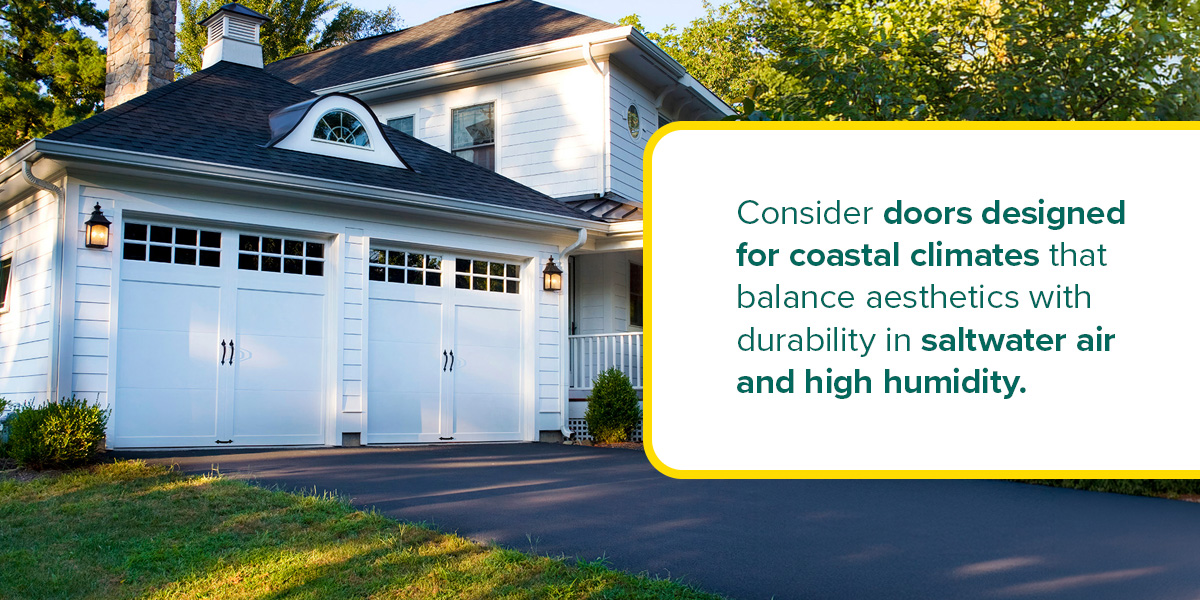
Historic district properties face additional challenges. Many Charleston homes feature custom wood garage doors that require specialized care in humid climates. Apply protective sealants annually and inspect the bottom panels for wood rot where dampness collects. Consider doors designed for coastal climates that balance aesthetics with durability in saltwater air and high humidity.
Doors facing the ocean require more frequent inspection and protective treatments than those sheltered by buildings or landscape features.
DIY vs. Professional Maintenance
Safe DIY garage door maintenance includes cleaning tracks, lubricating moving parts, testing safety features, replacing weather stripping and tightening visible hardware. Basic tools and careful attention make these tasks low-risk for homeowners.
Call professional maintenance for spring repairs or replacements, cable adjustments, opener motor issues, structural damage assessment and track realignment. Specialized tools, serious safety hazards and technical complexity put these jobs beyond typical homeowner capabilities.
Consider the 50% rule when evaluating repairs — if a repair costs more than 50% of a new door’s price, replacement offers better value. Expert garage door service prevents small issues from becoming major repairs, protecting your investment over time.
Essential Tools and Products for Charleston Garage Door Care
Having the right products on hand makes regular maintenance easier and helps protect your garage door from coastal environmental factors. Charleston homeowners should stock the following items for routine upkeep:
- Humidity-resistant lubricants: Use silicone-based or lithium-based products specifically formulated for garage doors to protect against coastal dampness. Avoid WD-40, which displaces water temporarily but doesn’t provide lasting lubrication.
- Marine-grade rust inhibitors: These products offer superior protection in ocean environments.
- Adjustable wrench: This tool is essential for tightening bolts and fasteners that loosen over time.
- Socket set: A socket set provides the right fit for various hardware sizes on your garage door system.
- Level: A level helps you check track alignment and ensure proper door positioning.
- Rubber mallet: A rubber mallet is useful for gentle adjustments without damaging components.
- Tape measure: A tape measure is necessary for measuring track alignment distances and identifying inconsistencies.
- Safety glasses: These protect your eyes during maintenance and cleaning tasks.
- Replacement parts: Keep spare rollers, weather stripping and opener batteries on hand for quick repairs.
Local hardware stores carry garage door supplies, though specialized components may need to be ordered from garage door dealers.
Warning Signs and Troubleshooting
Common coastal climate warning signs include:
- Rust spots on springs or cables: Salt air corrosion requires immediate attention before components fail.
- Loud grinding or scraping sounds: Track debris or misalignment needs correction.
- Uneven door movement: Spring-tension imbalance or track issues require expert inspection.
- Door reverses without obstruction: Safety sensor misalignment may result from humidity-related expansion.
- Visible wood rot or warping: Coastal dampness can penetrate protective finishes.
- Slow response to opener commands: Corroded electrical connections or a dying motor need prompt attention.
Emergency protocols include disconnecting the opener, securing the door in the closed position if needed and avoiding the area beneath stuck doors. Understanding when you need garage door repair helps you address problems before they become emergencies.
Schedule Professional Garage Door Service
The coastal environment requires expert attention at least once a year. During a comprehensive maintenance visit, trained technicians inspect every critical component — springs, cables, rollers, tracks, openers and weather sealing — for signs of salt corrosion, humidity damage or hurricane-related wear. This proactive approach catches small issues before they become expensive failures.
Southeastern Garage Doors offers same-day service throughout the Charleston area, with over 100 years of combined experience protecting coastal garage door systems. Scheduled maintenance extends the life of your investment, maintains manufacturer warranties and provides peace of mind during hurricane season. Call 843-747-6622 or request service online today and keep your garage door operating safely and reliably.
Custom Garage Door Benefits
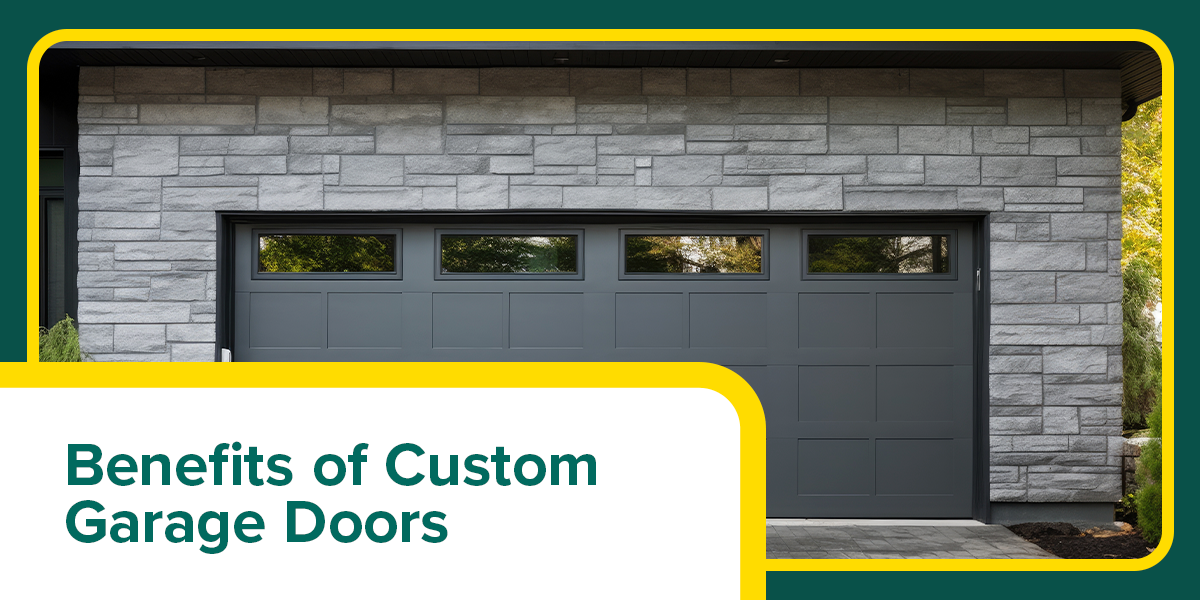
Standard garage doors offer basic functionality but lack the personalization and design flexibility that truly reflect your home’s unique character. Many homeowners settle for generic options that don’t complement their architectural style or meet their specific needs. Custom garage doors provide limitless design possibilities, allowing you to tailor materials, colors, sizes and features to match your vision. The benefits of custom garage doors go beyond aesthetics — they offer enhanced functionality, security and long-term value.
Discover how custom garage doors elevate your home’s curb appeal, optimize space and performance and deliver durability with premium materials and expert craftsmanship.
Enhanced Curb Appeal and Home Value
Custom garage doors transform your home’s exterior appearance while delivering exceptional financial returns. Your garage door likely comprises a large portion of your home’s front-facing exterior, making it one of the most visible elements of your property. When you invest in a custom design, you’re creating a statement piece that shapes first impressions and sets your home apart from neighbors with standard, cookie-cutter options.
Garage door replacement delivers a return on investment of over 267%, according to Zonda’s 2025 Cost vs. Value Report, making it one of the smartest home improvement investments you can make. Based on industry data, custom doors boost resale value by 4% to 7% compared to standard doors’ 2% to 4% increase, delivering superior returns when it’s time to sell your home.
Custom garage doors enhance your property by:
- Complementing rustic, modern, traditional or coastal architectural styles with seamless integration
- Matching existing home features like siding, trim and windows for a cohesive exterior
- Creating memorable curb appeal that attracts buyers and increases property offers<
- Signaling a well-maintained home with premium craftsmanship and attention to detail
- Standing out in your neighborhood with distinctive design elements
Whether your home features historic Charleston charm or contemporary minimalism, custom garage doors can be designed to harmonize with your property’s unique character, with every detail tailored to enhance your home’s overall aesthetic.
Tailored Functionality and Perfect Fit
Custom garage doors solve practical challenges that standard options simply cannot address. Older homes or unique builds often have nonstandard garage openings that don’t accommodate pre-made doors, creating gaps, misalignment and structural issues that compromise performance and energy efficiency.
A precision-engineered custom door prevents air leaks and improves weatherproofing, protecting your garage and adjacent living spaces from the elements. Standard doors forced into nonstandard openings create ongoing maintenance headaches, while custom solutions engineered to your exact specifications solve these problems from the start.
Custom sizing accommodates:
- Taller vehicle clearance for RVs, trucks or lifted vehicles
- Wider entrances for multiple vehicles or spacious workshop areaS
- Accommodations for unique architectural features, sloped driveways or irregular garage shapes
- Nonstandard dimensions found in historic or custom-built homes
- Special storage needs that require modified door placement or sizing
Premium Materials and Unlimited Design Options
The range of materials and customization options available for custom garage doors allows you to create precisely the look and performance you desire. Premium wood species like Knotty Alder, White Oak, Spanish Cedar, Ironwood and African Mahogany offer natural beauty and warmth. Steel provides durability and low-maintenance performance with extensive customization options. Aluminum offers lightweight, rust-resistant construction that’s ideal for coastal climates like Charleston’s humid, salt-air environment. Composite materials deliver wood’s aesthetic appeal without high maintenance requirements.
Your customization options include:
- Custom colors, stains and finishes that perfectly match or complement your home’s exterior palette
- Decorative hardware, including handles, hinges and step plates that add character and authenticity
- Window styles and glass options—clear, frosted or decorative—that introduce natural light while maintaining privacy
- Panel designs ranging from flush and raised to carriage house and modern plank styles
- Specialty features like ventilation systems, specialized insulation or integrated smart technology
Select materials and finishes that not only look beautiful but also stand up to your local climate conditions, ensuring long-lasting performance and minimal maintenance requirements.
Enhanced Security and Energy Efficiency
Modern custom garage doors incorporate advanced security technologies and superior insulation that protect your home and family while reducing energy costs. Heavy-duty construction with reinforced materials deters break-ins and protects vehicles, tools and stored belongings. Custom doors can be built with security as a priority, incorporating stronger materials and reinforced components that provide superior protection.
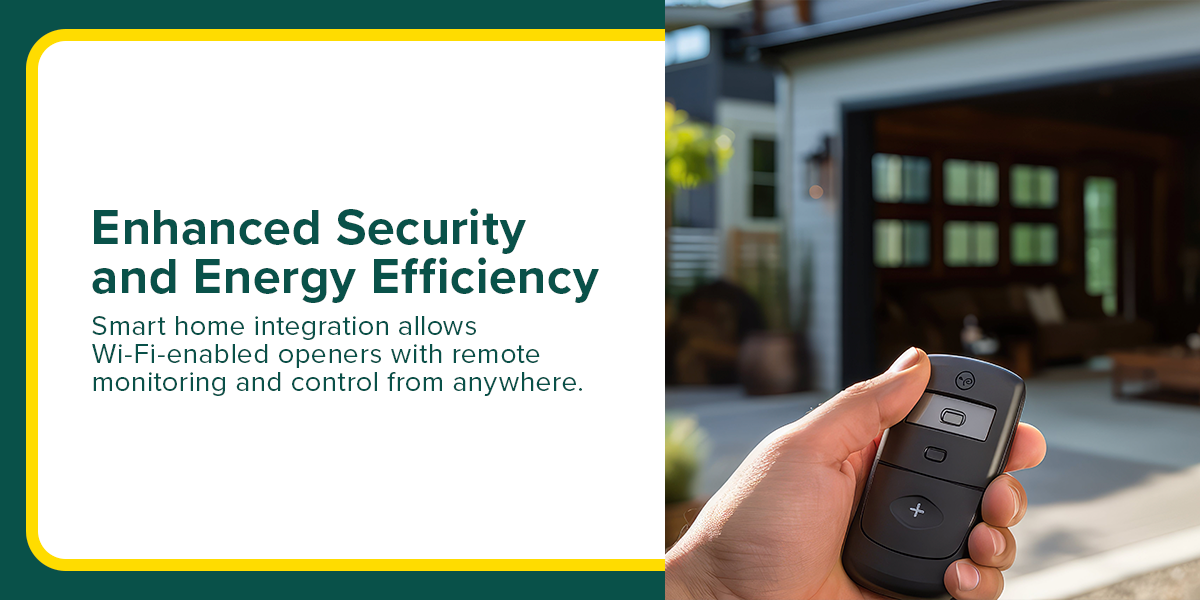
Smart home integration allows Wi-Fi-enabled openers with remote monitoring and control from anywhere. Rolling code technology prevents hacking attempts by changing access codes with each use. Keypad entry systems eliminate the need for keys while providing convenient access. Real-time alerts notify you when your door opens or closes, keeping you informed even when you’re away.
Higher R-value insulation options keep your garage and adjacent rooms comfortable year-round. Quality insulation reduces strain on HVAC systems, lowering energy bills and improving home comfort. Custom doors with precision fit can deliver up to 20% energy savings compared to standard options with gaps and poor sealing.
Energy efficiency benefits include:
- Custom doors engineered to exact opening dimensions that eliminate gaps, allowing air infiltration
- Superior weatherstripping and sealing that prevent air leaks, decreasing energy bills
- Reduced moisture intrusion in humid, coastal climates that can cause damage and energy loss
- Year-round comfort in South Carolina’s climate with hot, humid summers and mild winters
- Lower heating and cooling costs from properly insulated, precision-fit garage doors
Long-Term Durability and Quality Craftsmanship
The superior construction and premium materials used in custom garage doors ensure they remain functional and attractive for decades. Handcrafted quality using premium materials ensures your door withstands decades of daily use. Expert installation ensures proper alignment and function from day one, preventing premature wear and operational issues. Custom doors can withstand harsh weather, including humidity, salt air and storms common in coastal areas.
Quality materials require fewer frequent repairs compared to standard doors made with economy-grade components. Durable finishes resist fading, warping and cracking even under challenging environmental conditions. This long-term investment saves money on upkeep while maintaining a beautiful appearance and reliable performance for years to come.
Get Your Custom Garage Door From Southeastern Garage Doors
Your home deserves a garage door that reflects your unique style and meets your specific needs. Southeastern Garage Doors specializes in creating fully customized garage doors that enhance curb appeal, improve functionality and add lasting value to your Charleston-area home.
With 100 years of combined experience serving the Charleston-Trident area, we work with leading manufacturers like Clopay® and Wood Creations to bring your vision to life. Whether you’re drawn to handcrafted wood doors in premium species like Knotty Alder, Spanish Cedar or African Mahogany, or you prefer modern designs like Reserve® Wood Custom, we will guide you through every step of the design and installation process.
Why choose us?
- Same-day service: We specialize in getting an expert to your home quickly—often the same day you call—to provide a quote or begin your project
- Expert design consultation: Our team works closely with you to create a custom door that complements your home’s architecture and matches your personal style
- Premium materials: We use only the finest materials to ensure your door is both beautiful and built to last
- Exceptional customer service: We maintain open communication throughout your project to ensure your custom door is exactly what you envisioned.
Whether you’re building a new home, renovating or simply ready to upgrade your garage door, we’re here to help you explore the benefits of custom garage doors for your property. Ready to transform your home’s curb appeal? Call Southeastern Garage Doors at (843) 747-6622 or request an estimate and discover the perfect custom garage door for your home.
Is It Better to Repair or Replace Your Garage Door?
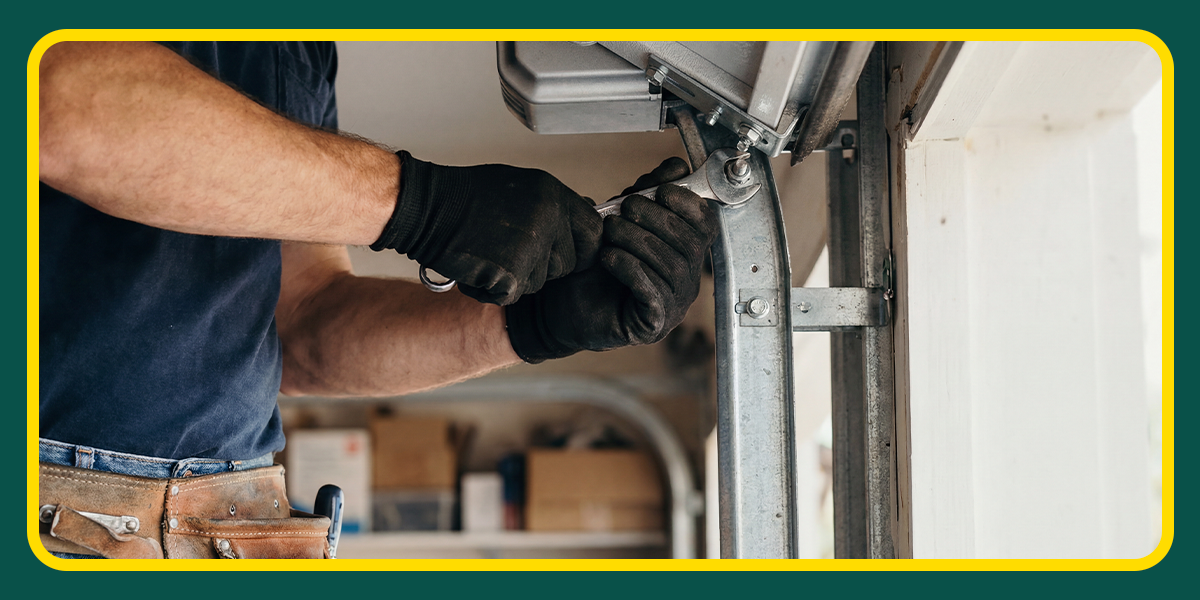
Garage doors are used multiple times a day. Over time, this constant opening and closing causes wear and tear. Even the most durable garage doors require maintenance to stay in good condition and operate as they should.
However, your garage door may still malfunction and stop working correctly, even with regular inspections and maintenance. You may wonder whether it’s worth the time and effort to repair your garage door, or if you should replace it and resolve the problem once and for all.
Some issues are easy to fix, while others are warning signs that a replacement is necessary. This article will help you determine when to repair your garage door, when to invest in a replacement and what factors you need to consider before making your decision.
When to Repair Your Garage Door
If your garage door is still in good condition and has minor operational or cosmetic issues, repairing it is generally the best option. Common problems such as worn or broken components and slow or noisy operations are often simple, fast and inexpensive to fix. With a replacement part or a quick clean, you can restore your garage door to its proper functioning.
Here are garage door issues that are typically easy to repair.
1. The Garage Door Opener or Sensors Are Faulty
Is your garage door not opening or closing? Or does it keep reversing? You may have an outdated garage door opener system or misaligned sensors. Mechanical wear and tear and wiring issues can affect their operation over time. While your garage door opener can be repaired, sometimes it’s worth replacing it with a newer model that offers modern safety features and innovative technology.
Faulty sensors could either be dirty or misaligned. Troubleshoot them by removing dirt, dust or spiderwebs that might be blocking the sensor lenses’ beam, then open or close the garage door. If cleaning them doesn’t fix the problem, then it might be time to replace your sensors.
2. Panels and Weatherstripping Are Damaged
Damaged panels can affect your curb appeal, compromise insulation and become a security risk. But with a new panel or two, your garage door could be as good as new. Panels with isolated dents, cracks or corrosion can be replaced individually, rather than replacing the entire garage door.
Weatherstripping keeps moisture, dirt and pests out of your garage space. Over time, these seals tear, become brittle and create gaps where light and air can pass through. This affects your garage’s insulation. If you notice drafts or pooling water in your garage, replacing the weatherstripping is a small yet effective solution to keep the weather out and warm or cool air in, depending on the season.
3. Tracks and Rollers Are Misaligned or Worn
Noisy and jerky garage doors are annoying — even more so when the door is struggling to open or close. This could mean either that your track is misaligned or that the rollers are worn. Inspect and maintain both of these components to ensure they’re free from rust, bends and damage.
To extend your garage door’s longevity and performance, schedule repairs or replacements for these components as soon as you notice problems to avoid extensive damage and costly fixes in the long run.
4. The Cables or Springs Are Broken
Springs and cables do the heavy lifting when your garage door opens and closes. They’re essential for balancing and supporting the door’s weight.
If the torsion springs are broken, the door becomes unstable and unsafe, posing a risk to anyone nearby. Although these springs can last for years, they need to be checked often to ensure the garage door mechanism runs smoothly and doesn’t strain when opening or slam shut when closing. Faulty cables cause garage doors to move unevenly, adding more strain to the torsion springs.
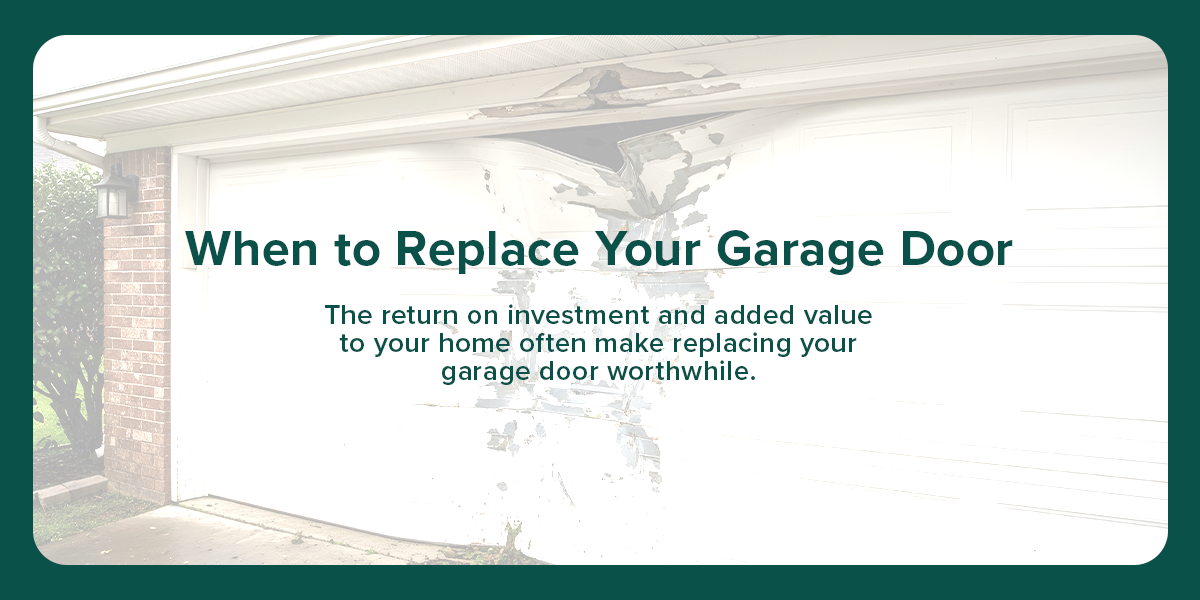
When to Replace Your Garage Door
The return on investment and added value to your home often make replacing your garage door worthwhile. If your garage door has outlived its lifespan, requires frequent repairs and has severe structural damage, a replacement is a long-term and cost-effective solution.
Here are signs that it’s time to replace your garage door.
1. It’s Reached the End of Its Lifespan
The average lifespan of a garage door is 15 to 30 years, if it’s well-maintained. If your garage door has reached the end of its service life and the frequency of repairs is increasing, it’s time to replace it. If it’s less than 10 years old, repairs might be a better solution.
2. There Is Excessive Damage
Garage doors in good condition usually only require maintenance, while severe damage poses safety and security risks and needs urgent replacement. Major structural damage caused by long-term weather exposure, accidental car impacts and improper use becomes a security risk when it affects operation. It weakens your door’s structure and can disrupt its functionality, making it easier for break-ins and breakdowns to occur. Warped, bent, rusted and cracked garage doors need to be replaced immediately to restore the security of your home.
If the door has become unpredictable and unstable, a replacement may be necessary.
3. It Needs Frequent Repairs
Find yourself constantly fixing the same issues? The more problems you fix over time, the less optimal the garage door’s functionality becomes. Frequent repairs for breakdowns and broken parts are also costly in the long run. A new garage door comes with new components and mechanisms, reducing maintenance requirements and hassles.
4. Technology and Features Are Outdated
Old garage doors don’t have the advanced technology of newer models. The older your garage door, the more likely it is that its parts and technology are no longer available or in use. Upgrading to a new or smart garage door offers convenience and enhances efficiency. Equipped with Wi-Fi connectivity and other features, you can operate and monitor your garage door remotely through your smartphone.
5. You’ve Had an Increase in Energy Costs
Are your energy bills climbing? It might be your garage door’s fault. Older doors may lack effective insulation, making it difficult to regulate and retain the temperature in your garage. To compensate, you either turn up the heat in winter and overuse the air conditioning in summer. This results in increased electricity use, higher utility costs and wasted energy.
Reliable Garage Door Repairs and Replacements
Various factors influence your decision to repair or replace your garage door. Relatively new doors with minor problems can extend their operation and longevity with regular maintenance and repairs. If your garage door is old and affects your security, safety and daily routine, a garage door replacement may be the smarter choice.
Whether you need to fix damaged panels to improve the aesthetics of your garage door or require a full replacement after years of wear and tear, Southeastern Garage Doors is here to help. With 100 years of combined experience in garage door maintenance and installation in Charleston, our experienced team knows how to keep your door operating smoothly. We specialize in same-day service, ensuring all issues are handled quickly.
Call us on (843) 747-6622 for quick, professional and reliable garage door services.
What Those Garage Door Noises Actually Mean
A grinding sound when you open the door. A loud bang in the middle of the night. A persistent squeal every time you leave for work. These aren’t just annoying background noises — they’re your garage door’s way of telling you something is wrong. Most homeowners ignore these sounds until the door stops working entirely, but by then, a simple repair has often turned into a costly replacement.
Understanding what your garage door is trying to tell you can help you catch problems early, avoid dangerous failures and save money in the long run.
What Squeaking and Squealing Sounds Mean
Squeaks, squeals and whines are the most common complaints we hear from homeowners. While these high-pitched sounds might seem like minor annoyances, they’re actually early warning signs that metal components are rubbing together in ways they shouldn’t. The longer you ignore these noises, the faster those parts will wear down and fail.
The primary causes of squeaking and squealing:
- Lack of lubrication: When metal parts move against each other without proper lubrication, friction builds up and creates that distinctive squeaking sound. Many homeowners reach for WD-40 as a quick fix, but that’s a mistake. WD-40 is a water displacer, not a lubricant, and it attracts dirt and grime, worsening the problem over time. Professional technicians use silicone or lithium-based lubricants specifically designed for garage doors that reduce friction without collecting debris.
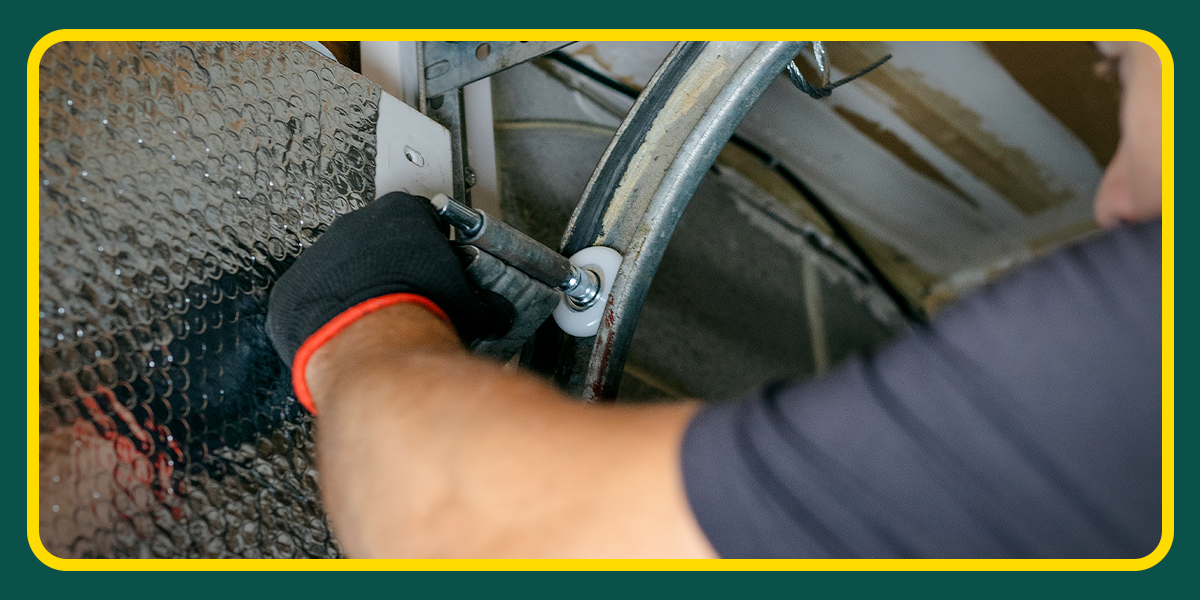
- Worn rollers: Garage door rollers are designed to roll smoothly along the tracks, but over time, they can wear down and develop flat spots. When that happens, the rollers stop rolling and start scraping against the track, creating a high-pitched squeal or a grinding sound whenever the door moves. If you’re hearing this noise, you likely need to replace worn or damaged rollers before they damage your tracks.
- Loose or damaged hinges: Hinges connect the panels of your garage door and allow it to bend as it moves along the curved track. When these hinges become loose or worn, they can cause squeaking or creaking. Loose hinges also put extra stress on other components, which can lead to more serious problems down the line.
Signs of Broken Garage Door Springs or Cables
If you’ve ever heard a loud bang coming from your garage, you’ve likely experienced a broken torsion spring. A loud bang is the most urgent type of garage door noise because it signals an immediate safety hazard. Never ignore sudden, loud sounds.
What causes these alarming noises? Torsion springs do the heavy lifting for your garage door. They’re wound tight and store energy that counterbalances the door’s weight, making it easy to lift. These springs are typically rated for about 10,000 cycles, which translates to roughly seven to 10 years of normal use for most homeowners.
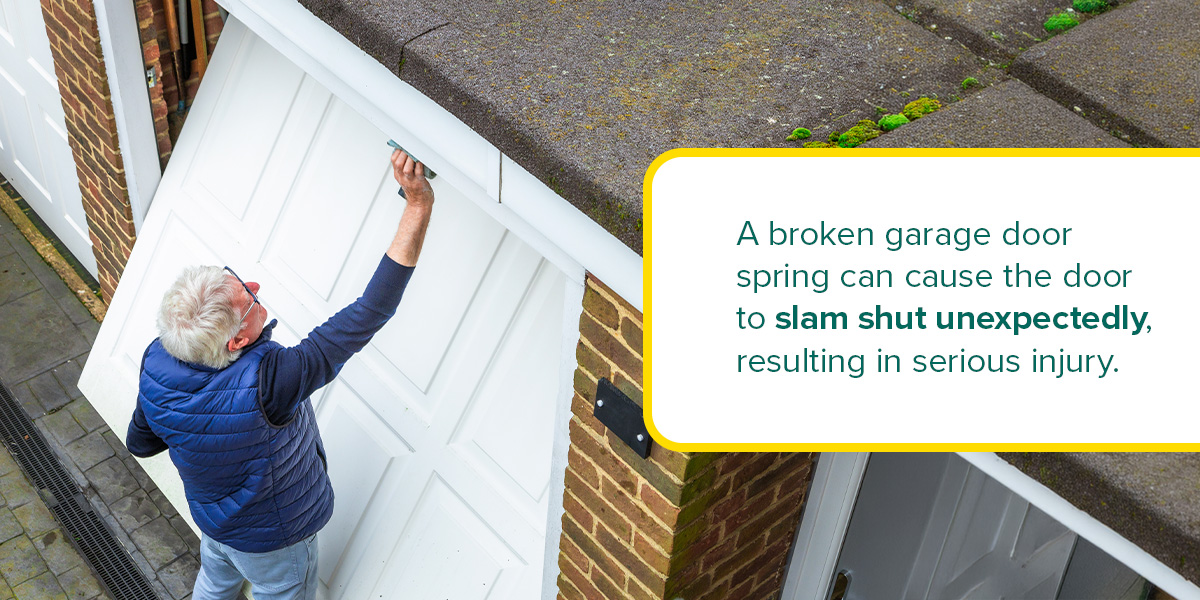
When a spring reaches the end of its lifespan and breaks, it releases all that stored energy at once with a sound like a gunshot. A broken garage door spring can cause the door to slam shut unexpectedly, resulting in serious injury. The Door and Access Systems Manufacturers Association (DASMA) identifies broken springs as one of the most dangerous garage door failures, and according to its safety guidelines, only trained technicians who have the proper tools and safety equipment should repair broken springs.
Cables work with springs to safely lift and lower your door. When these cables start to fray or break, they can make a loud popping or snapping sound. You might also notice the door hanging crookedly or one side dropping lower than the other. When cables become damaged, they need immediate attention, as a complete break can cause the door to fall without warning.
Why Your Garage Door Rattles, Grinds or Hums During Operation
Consistent vibrations and ongoing sounds during operation usually point to loose hardware or problems with the opener mechanism. These noises might not seem as urgent as a loud bang, but they still indicate issues that need professional attention.
Common causes of rattling, grinding and humming include:
- Loose hardware: Every time your garage door opens and closes, it creates vibration. Over time, that constant movement can loosen nuts, bolts and brackets throughout the system. When hardware becomes loose, it rattles and clanks as the door moves. While this might seem like a simple fix, it’s important to have a professional tighten everything properly — over-tightening can strip threads or crack components.
- Debris in tracks: Small stones, dirt and other debris can accumulate in your garage door tracks. When the rollers pass over this debris, it creates a grinding sound. Keeping your tracks clean is part of regular maintenance, but if grinding persists after cleaning, the tracks may be bent or misaligned.
- Failing opener motor: If your garage door opener makes a constant humming or buzzing sound, but the opener struggles or fails to lift the door, the motor may be straining or failing. The motor can struggle if the door is too heavy for the opener due to broken springs, the motor is wearing out or internal gears are damaged. A professional can diagnose whether you need garage door opener repair or replacement.
The Risks of Ignoring Garage Door Noise
A noisy garage door is more than an annoyance — it’s dangerous. Ignoring these warning signs can lead to consequences that go far beyond the inconvenience of a stuck door.
When you put off repairs, you’re increasing the likelihood of a sudden, complete failure at the worst possible time. A spring that breaks while you’re backing out of the garage can trap your car. A door that falls unexpectedly can cause serious injury or property damage. These aren’t just theoretical risks — they happen to homeowners every day.
Delaying repairs also leads to more expensive secondary damage. A worn roller that you ignore today can gouge your track tomorrow, turning a simple roller replacement into a track repair as well. A loose hinge can put extra stress on other hinges and springs, causing them to fail prematurely. What starts as a minor repair can quickly escalate into a major expense.
Finally, a malfunctioning garage door compromises your home’s security. A door that doesn’t close properly or that struggles to open and close is an invitation to intruders. The best time to address garage door noise is the moment you first notice it.
Schedule Same-Day Garage Door Repair in Charleston
At Southeastern Garage Doors, our technicians have 100 years of combined experience diagnosing and fixing residential garage door problems throughout Charleston, and we’ve learned one thing — every noise has a meaning. We offer same-day service throughout the Charleston area, so you can get a professional diagnosis and repair before a small problem becomes a safety hazard. Our technicians have the experience and tools to identify the source of any garage door noise and fix it right the first time.
Whether you’re hearing squeaks, grinding or a loud bang, we’re here to help. Call us at (843) 747-6622 to request same-day service or learn more about our professional garage door repair solutions.
Choosing the Right Wood for Your Charleston Custom Garage Door
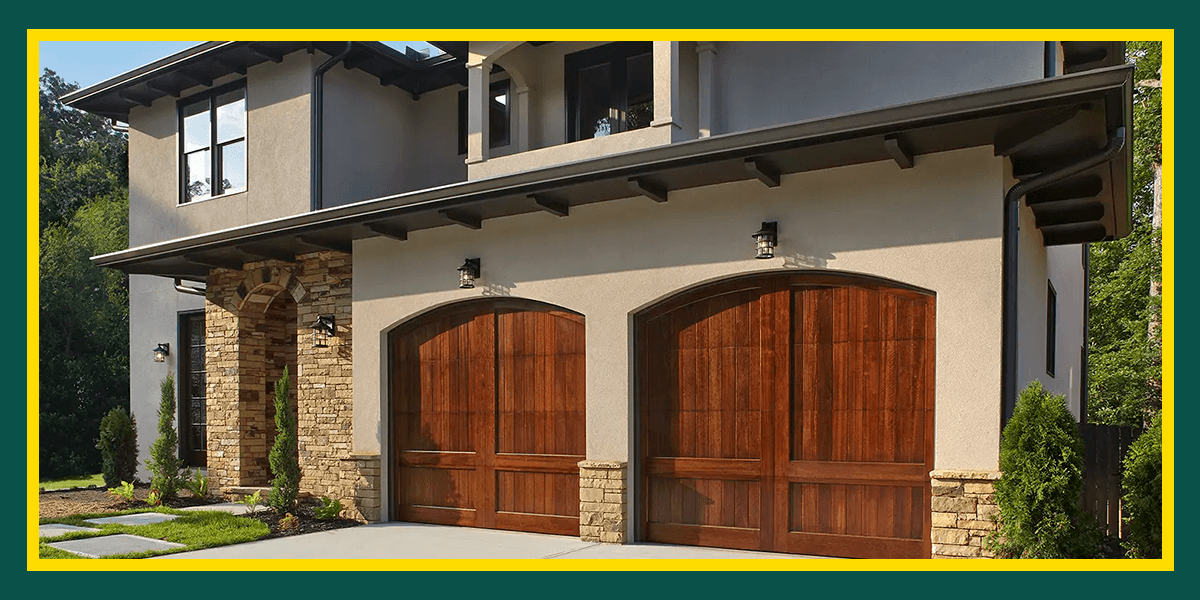
A custom wood garage door adds warmth, character and beauty to Charleston homes. Its timeless appeal complements both seaside contemporary designs and traditional Lowcountry architecture.
In a coastal climate, wood selection matters as much as style. Some types handle high humidity, salty air and UV exposure better than others. Pairing the right wood with a quality finish ensures your garage door remains strong year after year. But which species should you choose?
Explore wood types, finish options and maintenance tips to get the most from your new custom garage door.
Why Wood Choice Matters in a Coastal Climate
Charlestonians are no strangers to intense heat, strong winds and humid summers. These conditions can take a toll on wood. Wood is a “living” material that absorbs moisture, causing it to expand and contract. Over time, this can lead to swelling, warping, decay or rot. Add salt-laden ocean air to the mix, and you have a recipe for premature aging.
The good news? You can still have the authentic wood garage door of your dreams. Certain species have natural qualities that make them more resistant to these environmental stressors. Finished with a protective coating, these wood types thrive in coastal areas.
Comparing Charleston Garage Door Wood Types
Explore the top wood choices for Charleston garage doors:
Durable and Aromatic Cedar
Cedar contains oils that give it natural resistance to decay, rot and insect damage. The aromatic compounds discourage wood-boring insects that plague other species in sticky climates. It has good dimensional stability compared to many softwoods.
Dimensional stability refers to wood’s ability to maintain its original size and shape despite changes in humidity or temperature. A more stable wood is less prone to warping or cracking.
If your home has a rustic feel, cedar is a good choice. Its warm tones and distinctive grains complement Lowcountry architecture. The color ranges from light pinkish-brown to deep, rich reddish-brown, often with hints of amber.
Like any wood garage door, cedar needs to be sealed, painted or stained to withstand moist, salty ocean air.
Luxurious and Strong Mahogany
Mahogany is a dense, strong wood with weather-resistant properties. Here are some of its key features:
- Durability: Mahogany is exceptionally durable, making it ideal for coastal environments. It withstands temperature changes, insect damage and humidity. This species also resists termites that often plague tropical climates.
- Stability: A low shrinkage rate means that mahogany keeps its shape when exposed to moisture. Expect less maintenance compared to some other woods.
- Longevity: Its decay-resistant properties increase the lifespan of mahogany garage doors. Proper sealing and care will ensure your custom door gives you years of reliable performance.
- Aesthetics: Rich reddish-brown coloring and fine, straight grain give mahogany a sophisticated appeal. Over time, the color darkens, lending to its elegant appearance.
African mahogany is a premium choice for garage doors. The versatile wood offers the look of more expensive Brazilian mahogany at a lower price.
Locally Sourced and Resilient Cypress
For homeowners who cherish local wood species, the bald cypress grows throughout South Carolina. While it is a softwood, cypress is highly stable, making it less likely to warp or twist.
A light, yellow-brown to gold color and straight grain give cypress garage doors a rustic yet refined appearance. A cypress garage door would suit modern or traditional homes.
Cypress heartwood (the center wood of a tree) contains an oil called cypressene. It acts as a natural preservative, helping fight rot and wood-boring insects common in moisture-prone areas.
High-End White Oak
Dense and strong, white oak has a closed cellular structure that helps prevent moisture absorption. Boatbuilders have used this species for centuries, making it ideal for marine conditions compared to most other woods. That heritage translates well to garage door applications.
The pale coloring gives it a clean, fresh aesthetic perfect for coastal homes. White oak works well for homes seeking a refined, classic look. Regular upkeep keeps it performing at its best in salty, high-moisture environments.
Striking a Balance With Wood Composite
Real wood garage doors need ongoing care to preserve their beauty in Charleston’s climate. If you love the look of wood but prefer less maintenance, composite materials offer an appealing middle ground.
Composites blend real wood fibers with steel or aluminum cores. You get the warmth and character of species like cedar, mahogany or cypress on the surface, with engineered strength underneath. The hybrid construction withstands moisture and temperature fluctuations. Composite doors handle seaside conditions without warping, rotting or splitting.
Faux wood takes things a step further. These doors use urethane or other synthetic materials to replicate wood’s grain and texture. This option works well if you want a wood appearance without the need for sealing, staining or refinishing. The downside is that they lack the authentic feel and character of genuine wood species.
The Best Stain and Finish Options for a Lowcountry Climate
Stains and finishes are the secret to a beautiful, long-lasting wood garage door. These final touches protect against the elements while bringing out the beauty of the timber.
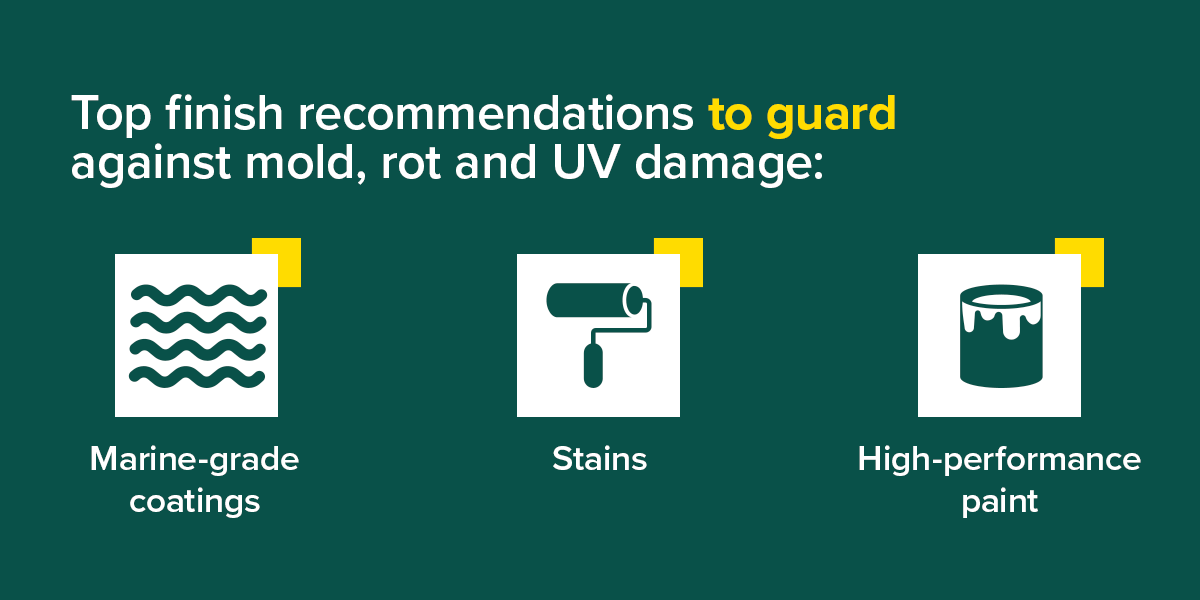
Here are the top finish recommendations to guard against mold, rot and UV damage:
- Marine-grade coatings: These coatings create a flexible, protective layer that guards against moisture and UV radiation. Used on boats and other marine equipment, they blend durability with water resistance.
- Stains: Unlike paint, which coats the surface, stains penetrate deep into wood. They carry color particles into the wood fibers, highlighting the texture and grain patterns. Choose oil stains over water-based stains. They protect the wood from within, preventing rot, mold and warping. Colored stains act like sunscreen for wood, preventing it from turning gray and deteriorating under sunlight.
- High-performance paint: For bolder colors, opt for paint. It lets you match your garage door to your home’s trim, shutter or siding. High-quality paint shields the door from harsh weather, blocking UV rays that fade and weaken the wood.
Maintaining Your Custom Wood Garage Door
Consistent care extends the life of wood garage doors while keeping them looking their best. The time you invest in upkeep pays off in longevity and appearance. Here are maintenance tips for wood garage doors in Charleston:
- Inspect for damage: Regular inspections can help catch small issues before they get worse.
- Clean with care: Wash the door with mild detergent and water to remove dirt and dust. Avoid pressure washing, as it can damage wood fibers.
- Sand and refinish: Before resealing, sand off the old finish. This step creates a smooth base and helps the new sealant to stick.
- Apply sealer or oil: Use a quality exterior wood sealer, oil-based stain or varnish to protect against moisture and UV rays.
- Lubricate components: Lubricate hinges, rollers and springs with a silicone-based spray or lithium grease to ensure smooth operation.
- Protect the bottom edge: Ensure the bottom weather stripping is intact to prevent water from seeping into the wood.
- Check hardware: Vibrations from daily use can loosen fasteners over time. Tighten bolts and screws to keep your door functioning as expected.
Find Beautiful Custom Wood Garage Doors in Charleston, SC
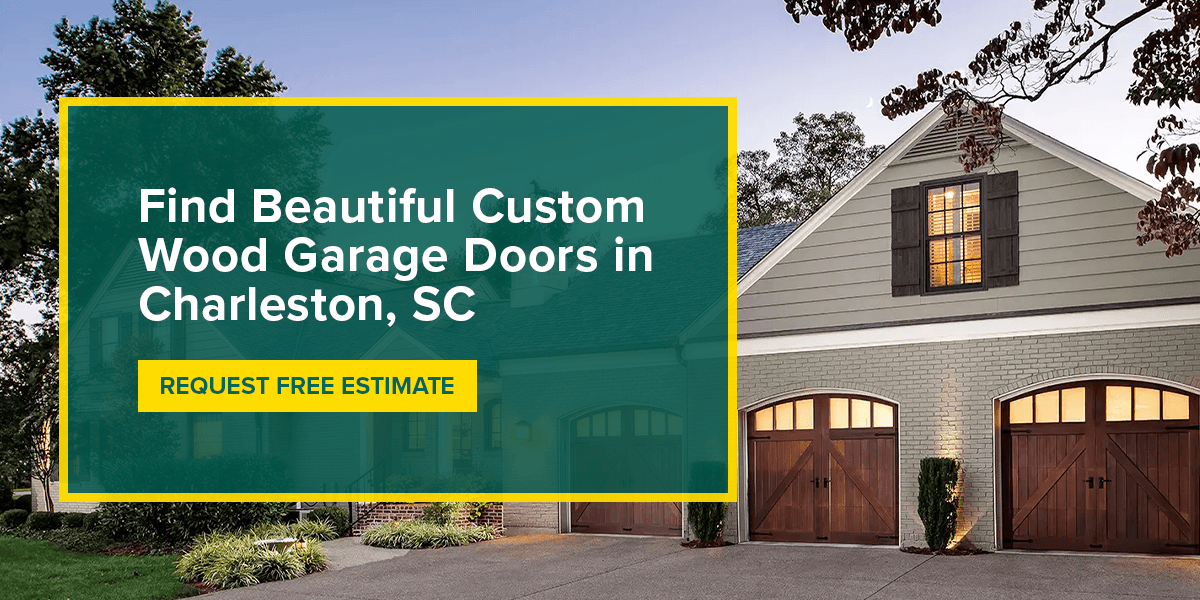
A long-lasting wood garage door starts with a high-quality product and professional installation. Southeastern Garage Doors offers both. We specialize in custom wood garage doors built for Lowcountry homes. As locals with over 100 years of collective experience, we understand how coastal conditions affect different wood types. Our team will walk you through species selection, finishes and design options that match your style. Choose from premium woods like rich African mahogany or durable cedar.
Create the garage door of your dreams. Call us at 843-747-6622 to discuss your ideas, or request an estimate online today.
Best Garage Door Flooring Options for Humid Conditions in Charleston, SC
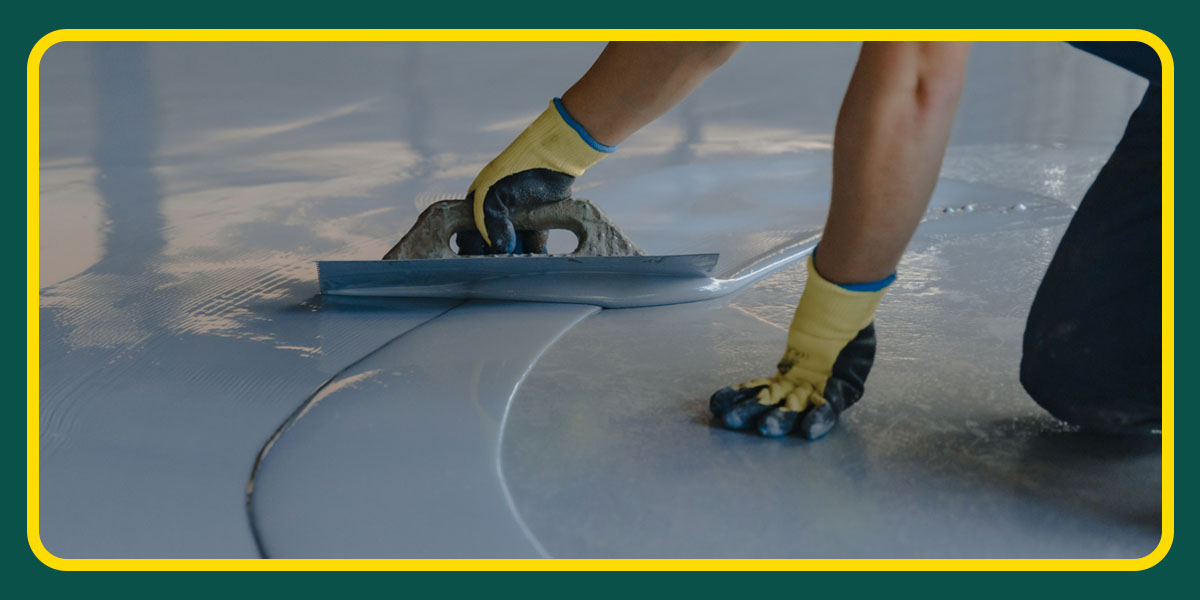
Charleston’s coastal beauty and historic charm make it a desirable place to live, but the Lowcountry’s humid climate presents unique challenges for homeowners. Your garage floor faces constant exposure to moisture, salt air and temperature fluctuations that can quickly deteriorate unprotected concrete. Understanding the best garage door flooring options for humid conditions in Charleston helps you protect your investment and maintain a functional, attractive space.
Without proper flooring protection, garage floors can suffer from mold growth, adhesion failures and structural deterioration that lead to expensive repairs or complete floor replacement.
Understanding Charleston’s Climate Challenges for Garage Floors
Charleston’s average relative humidity is about 86% during the day and 56% at night. This high level leads to moisture vapor transmission through concrete, which can damage floor coatings and foster mold growth. Proper moisture management in concrete structures is essential to prevent long-term damage in humid environments. Salt from ocean air penetrates concrete, which can cause corrosion, pitting and staining.
Additionally, intense sunlight and temperature swings can degrade flooring materials, especially those lacking UV protection.
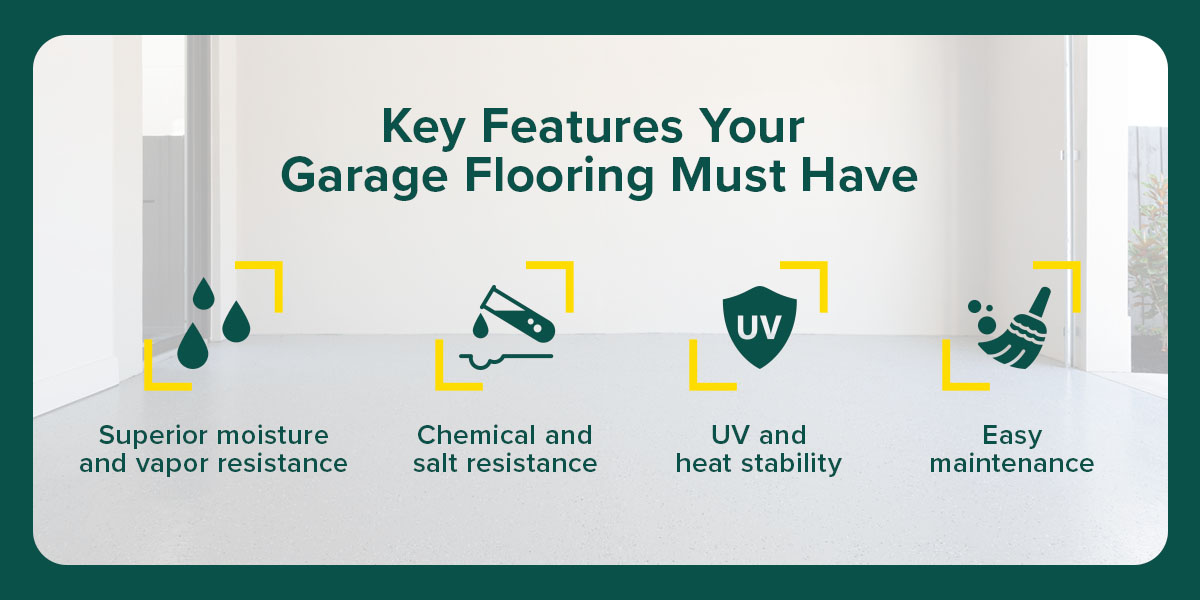
Key Features Your Garage Flooring Must Have
Selecting flooring that can withstand Charleston’s demanding conditions requires understanding which features matter most in humid coastal environments:
-
Superior moisture and vapor resistance: The best garage door flooring options for humid conditions in Charleston must offer strong moisture and vapor resistance. Waterproof materials create impermeable barriers preventing liquid water penetration, while moisture-resistant options manage vapor transmission effectively. Seamless coatings provide complete vapor barriers when properly applied, and breathable tile systems allow moisture vapor to escape and dissipate without trapping it beneath the surface.
-
Chemical and salt resistance: Nonporous surfaces resist salt penetration, preventing corrosive damage that compromises concrete integrity. Chemical resistance protects against automotive fluids, household cleaners and deicing agents that regularly contact garage floors. Materials specifically formulated for coastal environments maintain their structural integrity despite constant salt exposure, and easy-to-clean surfaces allow quick removal of salt residue before long-term damage occurs.
-
UV and heat stability: UV-stable coatings maintain their color and structural integrity even under prolonged sun exposure, thanks to UV inhibitors that prevent yellowing and fading. Heat-resistant materials tolerate summer temperatures without softening or warping.
-
Easy maintenance: Simple cleaning requirements like sweeping, mopping or hosing down make maintenance manageable for busy homeowners, while slip-resistant textures provide safe footing even when floors are wet from condensation or tracked moisture.
Best Flooring Materials for Humid Garages
Each flooring material offers distinct advantages and considerations for Charleston’s unique coastal environment. Understanding these options helps you make an informed decision:
Epoxy Coatings
One hundred percent solids epoxy coatings create seamless, waterproof barriers that protect concrete from moisture and chemical damage, offering good salt resistance and strong bonds with properly prepared concrete surfaces at an affordable price point. However, traditional epoxy formulations may yellow over time without UV-stable topcoats, particularly when exposed to direct sunlight through open garage doors. Professional installation is recommended to ensure proper surface preparation and application in humid conditions, and the International Concrete Repair Institute provides guidelines for moisture mitigation that inform proper epoxy application over concrete slabs.
Polyaspartic and Polyurea Coatings
These premium flooring solutions offer superior performance characteristics, including excellent UV stability that prevents yellowing or fading even with prolonged sun exposure, and their moisture, salt and chemical resistance surpasses traditional epoxy formulations. Fast cure times allow these coatings to handle humid conditions better during application, and polyaspartic coatings are specifically designed for use during hot and humid applications. Higher durability and abrasion resistance make these coatings ideal for high-traffic garages, and while they carry premium pricing, their long-term performance justifies the investment for homeowners seeking the best protection available.
Interlocking Tiles
Polypropylene and PVC interlocking tiles offer inherent resistance to moisture, salt and chemicals without requiring complex installation processes. Many tile systems also feature raised airflow channels on their undersides that allow moisture vapor to escape and prevent buildup beneath the flooring. This breathable design works particularly well in humid climates, and individual tiles can be easily replaced if damaged, providing long-term flexibility for repairs. Moisture management capability makes tiles suitable for coastal environments where vapor transmission is common, and the tiles provide good traction and come in a variety of colors, allowing customization. Plus, installation typically requires minimal tools for DIY projects.
Sealed Concrete
Penetrating concrete sealers reduce moisture absorption by filling pores and creating protective barriers within the surface, offering more affordable protection that requires regular reapplication to maintain effectiveness. Sealed concrete provides less comprehensive protection than coating systems or tiles, but it works well as a base treatment under other flooring options or for homeowners seeking basic protection on limited budgets. Penetrating sealers help prevent salt penetration and staining, extending concrete floor life while allowing flexibility for future upgrades to more robust flooring systems.
Key Considerations for Choosing Garage Door Flooring
Before investing in new garage flooring, consider these important factors to ensure you select the best option for your specific situation and needs:
-
Budget: Assess your budget for both initial installation and long-term maintenance costs. Some flooring options require professional installation and carry higher up-front costs but offer better longevity, while others provide affordable entry points with more frequent maintenance requirements.
-
Traffic and equipment: Consider the amount of vehicle traffic and heavy equipment your garage floor will need to support on a daily basis. High-traffic garages used for workshops or frequent vehicle movement typically require more durable materials than garages used primarily for storage.
-
Sunlight exposure: Determine whether you plan to keep your garage door open frequently, exposing the floor to direct sunlight and outdoor elements. Garages with frequent door openings need UV-stable materials that won’t degrade or yellow from constant sun exposure.
-
Installation preference: Evaluate your comfort with DIY installation versus a preference for professional installation services that ensure proper surface preparation and application. Some flooring systems can be installed by handy homeowners, while others require specialized equipment and expertise for optimal results.
-
Appearance vs. functionality: Weigh the importance of appearance versus pure functionality for your garage space. Some homeowners prioritize aesthetic appeal with decorative finishes and color options, while others focus primarily on protection and durability.
-
Moisture issues: Address any existing moisture issues with your concrete slab before installing any flooring system. Preexisting problems, like cracks, severe spalling or excessive moisture emission, require remediation before new flooring can be successfully installed.
Complete Your Garage Transformation With Southeastern Garage Doors
Protecting your garage floor is only part of creating a complete, functional space. Pair it with a high-quality garage door built for Charleston’s demanding coastal climate.
At Southeastern Garage Doors, we bring 100 years of combined experience to every project. We specialize in same-day service and offer a complete lineup of Clopay garage doors, including our Canyon Ridge doors with moisture-resistant composite overlays and custom wood doors for timeless elegance. Request your free estimate or call us at 843-747-6622 to learn more.
Why Is My Garage Door Stuck? Common Causes and Fixes
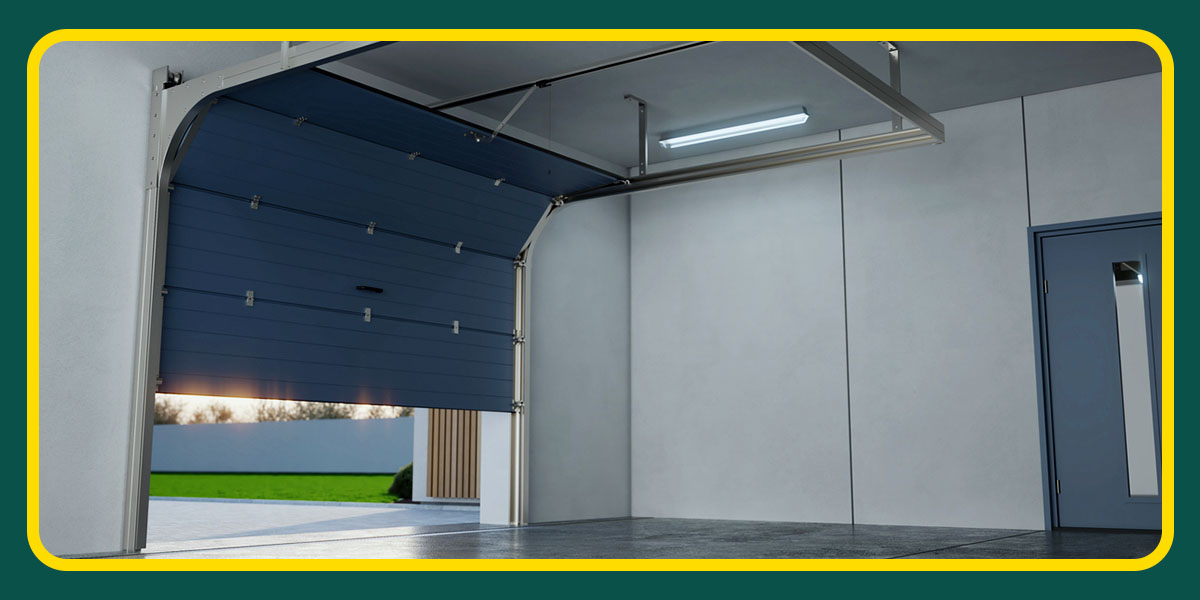
The average single garage door can weigh anywhere between 100 and 200 pounds. With that much weight and hardware in motion, it’s no surprise that even a reliable system can get stuck from time to time. Fortunately, many of the most common causes of a stuck garage door are surprisingly simple to diagnose. Here’s how to identify what’s really going on.
First, Check These Simple Fixes
Before diving into mechanical issues, start by checking the basics. Many times, a garage door that’s stuck ultimately comes down to an accidental button press, a flipped switch or a power issue.
Use the following quick checklist to rule out the easy stuff:
1. Make Sure the Door Isn’t Manually Locked
Most garage doors include a manual lock — typically a knob or handle in the center of the door with two horizontal bars that slide into the track. It’s sometimes engaged accidentally, for example, by someone bumping or brushing against it.
To check it, look for a handle on the inside of the door. If the bars are extended into the tracks, turn the handle to retract them. Once disengaged, the opener should be able to lift the door normally.
2. Confirm That Your Opener Has Power
A loss of power is one of the most common reasons a garage door won’t open. It’s also one of the easiest problems to fix. Look for the following:
- The outlet: Confirm the opener’s plug hasn’t been knocked loose.
- The circuit breaker: If the breaker has tripped, try resetting it.
- The ground fault circuit interrupter (GFCI): Garages often have GFCI outlets that can trip easily. Press the “reset” button if yours has been triggered.
3. Test Your Remote and Wall Switch Batteries
This is another simple but often overlooked cause for a garage door that won’t move up or down. If the remote or wall button won’t work, try swapping in fresh batteries or testing with a backup remote.
Inspect Your Garage Door’s Safety Sensors
If the basics check out, the next most common culprit is the photo-eye safety sensors. If the sensors aren’t working properly, the door will start to close, then immediately stop and reverse to the open position.
Here’s what to do:
- Check for obstructions: Anything blocking the invisible beam between the sensors will cause the door to stop or reverse. Look for things like boxes, rakes, leaves or other items. Clear away anything in the sensor’s path, then try closing the door again.
- Clean the sensor lenses: Photo eyes sit low on the garage door tracks, which makes them magnets for dirt, dust and spider webs. Use a soft cloth to gently wipe each lens. Avoid using abrasive cleaners — a simple microfiber cloth works best.
- Look for alignment issues: Each sensor has a small LED light. A solid light means it’s aligned, whereas a light that’s blinking or off indicates the sensor is misaligned. Gently adjust the sensors until both lights are solid. If they won’t stay aligned, the mounting brackets may be bent or loose.
Common Garage Door Problems and Solutions
If your door still won’t move, you may be dealing with a mechanical issue. Let’s look at the most common culprits to learn what’s safe for you to check and what should be left to a professional.
Obstructed or Damaged Garage Door Tracks
A stuck door may simply be unable to move along its tracks. Over time, garage door tracks can accumulate dirt, leaves or other debris. Living in coastal environments like Charleston adds an extra layer of challenge — sand, salt and humidity can cause corrosion or create gritty buildup inside the tracks.
Look along each track for debris or visible dents. Minor dirt can be gently wiped away with a cloth. If you notice bent metal, rust or misalignment, it’s best to leave repairs to a technician.
Worn or Broken Rollers
Rollers help guide the doors smoothly through the tracks. When they wear out, they can produce grinding or squealing noises, jerky or uneven movement and a door that gets stuck partway. If rollers look cracked, loose or excessively worn, they may need to be replaced.
Broken Torsion or Extension Springs
Garage door springs are the system’s main lifting force. They carry most of the door’s weight, so the opener doesn’t have to. When a spring breaks, the door becomes extremely heavy, making it hard to lift.
Signs of a broken spring include:
- A loud bang
- A door that only lifts a few inches before stopping
- A visible gap in the torsion spring above the door
Spring repair is never a do-it-yourself (DIY) job. Springs store an enormous amount of tension, and improper handling can cause severe injury and more damage to the door. This is a job for trained professionals only.
Frayed or Snapped Cables
Cables work alongside the springs to raise and lower the door safely. Over time, they can fray or snap. You might notice loose strands of cable, uneven door movement or a door that’s jammed or hanging crooked.
Like springs, cable repair is dangerous. If damaged or broken cables are the cause of a stuck garage door, repair should always be handled by a technician.
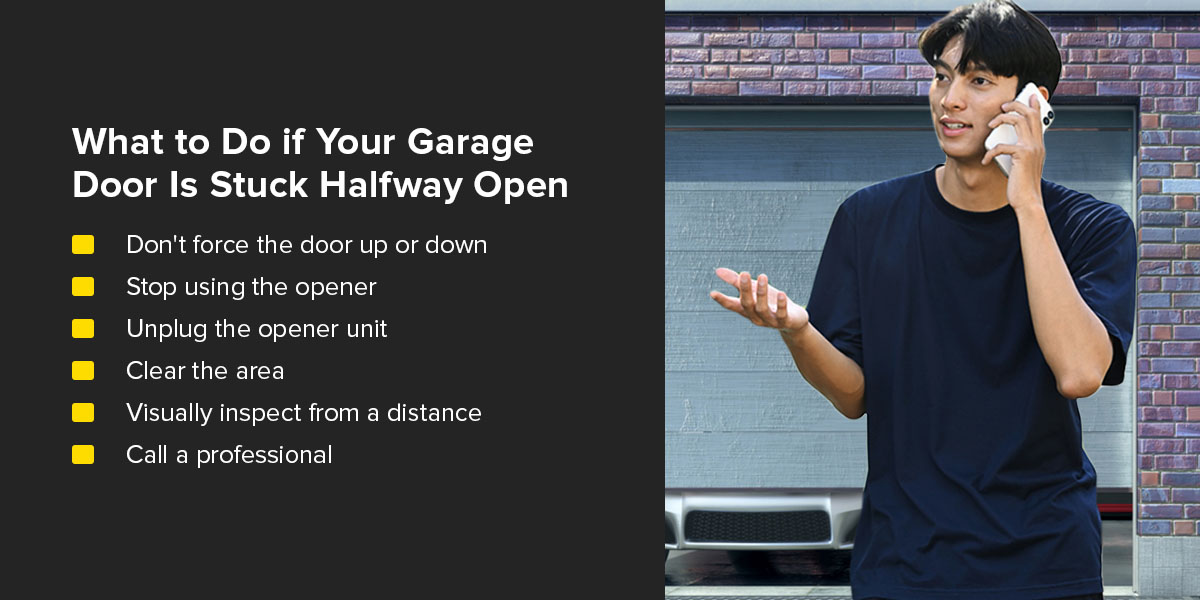
What to Do if Your Garage Door Is Stuck Halfway Open
A door stuck halfway is frustrating and potentially dangerous. In most cases, if your garage door won’t close, it’s a sign of worn rollers, damaged tracks or failing springs.
Here’s how to handle it safely:
- Don’t force the door up or down: You could damage the opener, tracks and rollers or cause the door to slam shut.
- Stop using the opener: Immediately stop pressing the remote or wall switch.
- Unplug the opener unit: Disconnect the motor from the power source to prevent accidental activation.
- Clear the area: Move cars, objects and people away from the garage door opening.
- Visually inspect from a distance: Look for obvious obstructions on the tracks or bent parts, but do not touch anything. The components are under high tension.
- Call a professional: This is the safest and most effective way to secure the door. A trained technician can diagnose the problem and safely lower or repair it.
When to Call a Professional for Your Stuck Garage Door
If the problem isn’t related to power, dead batteries, a tripped sensor or a simple obstruction, it’s time to call for service.
Contact a professional if:
- The door keeps sticking repeatedly.
- You notice damaged hardware.
- You hear unusual noises.
- You’re unsure what the issue is.
Springs, cables and heavy door components all carry risks when handled improperly. Professional repairs keep you safe and prevent small problems from turning into major, more costly ones.
Get Expert Garage Door Service in Charleston
If your door is jammed, half-open or making strange noises, an expert can help you pinpoint the cause and get it back up and running safely and reliably with professional repairs.
For homeowners in the Lowcountry, Southeastern Garage Doors is the trusted local source for residential garage door services. From diagnostics to repairs, replacements and maintenance, our experienced team knows how to keep your door moving smoothly.
Reach out to Southeastern Garage Doors to schedule your same-day garage door service.
How To Tell If I Need to Get My Garage Door Repaired
How Do I Know if I Need to Get My Garage Door Repaired?
You should get your garage door repaired if you notice signs such as unusual operation, noise or response time. Here’s how to tell if you need to get your garage door repaired:
Your Garage Door Won’t Close or Open
An inability to open or close is one of the main signs your garage door needs attention. If you replace your garage door opener batteries and the door still won’t open or close, it’s important to seek professional repair.
Unusual Noises Occur With Opening and Closing
Garage doors should open smoothly and quietly. Squeaking, banging or grinding sounds can indicate mechanical complications such as:
- Worn or loose rollers
- A need for lubrication on moving parts
- Track misalignment
- Broken springs
- Broken cables
Response Times Are Slow or Delayed
A garage door should respond to your opener within a couple of seconds. If its movement is delayed or sluggish, the issue may be a failed motor or damaged rollers. Electrical issues in your opener system can also impact response times.
The Door Snaps Open or Slams Closed During Balance Tests
An annual or biannual balance test can help you determine if you need new tension springs or rollers. Detach your door from its opener, lift the door on its tracks and let go. The door is balanced if it stays in place, but it needs repair if it snaps open or slams closed.
Components Have Visible Wear
Schedule garage door maintenance if you notice the following signs of wear and tear:
- Rust
- Frayed cables
- Damaged or bent tracks
- Weather stripping on panels
- Cracks on panels
You Notice Higher-Than-Usual Energy Bills
Poor insulation and missing or cracked weather stripping can let drafts into your home, resulting in higher heating and cooling bills. If your energy bill seems higher than usual, you may need new seals or an insulated garage door. This can help regulate your home’s temperature and reduce heating and cooling costs.
The Door Reverses Unexpectedly
Your garage door may reverse unexpectedly if the safety sensors are misaligned or dirty. This can also occur if your opener system fails, and prompt repair is vital for safety.
Manual Operation Feels Uneven or Heavy
Well-balanced garage doors lift with ease. If your door feels uneven or heavy when you manually lift it, you may need new springs or spring repair. Extension or torsion springs support your door’s weight, and broken or weak springs can cause hazardous operation.
Contact Southeastern Garage Doors for Expert Repairs
Southeastern Garage Doors offer professional garage door repairs to restore smooth, safe operation. Contact us to learn more about our maintenance and repair services.
The Importance of Hurricane-Proof Garage Doors in Charleston
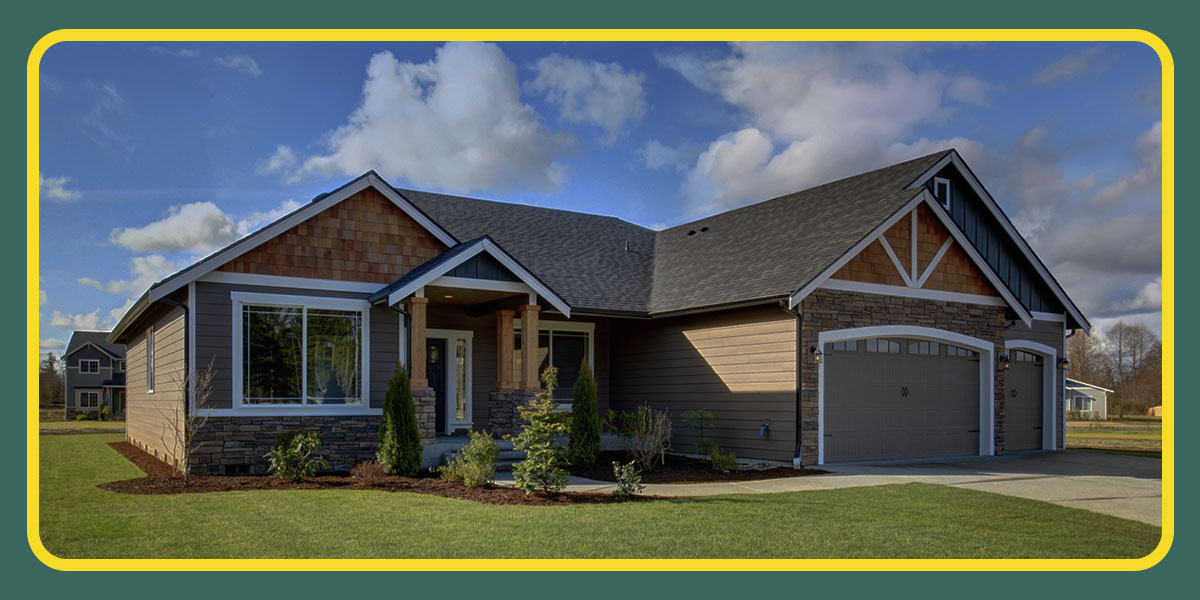
With its pastel historic homes and salty ocean breezes, Charleston’s beauty is undeniable — but so is its exposure to hurricanes. Garage doors play a key role in protecting homes from the high winds and flying debris that accompany these storms.
Your garage door is likely the largest single opening in your home. During a hurricane, it can also be one of the most vulnerable, but with a strong, wind-rated garage door, you can safeguard your home’s structure, your belongings and your peace of mind.
Charleston’s Unique Hurricane Vulnerability
To understand the importance of hurricane-proof garage doors in Charleston, it helps to know the city’s unique weather patterns.
Charleston’s position along the South Carolina coast places it squarely in the path of many Atlantic hurricanes. The city has weathered some powerful storms, including Hurricane Hugo in 1989, that have brought flooding, wind damage and extended power outages.
Since standard garage doors are large, lightweight and often hollow in design, they can easily buckle or blow in under hurricane-force winds. When that happens, the resulting pressure change inside the home can cause catastrophic structural failure, lifting roofs, blowing out walls and allowing rain and debris to enter.
It’s estimated that over 90% of home hurricane-related damage results from wind entering through garage doors.
That’s why Charleston hurricane protection starts with reinforcing this key opening. A hurricane-proof garage door is specifically designed to withstand the high wind pressures that can reach well over 100 mph during these storms. It’s the difference between a structure that holds firm and one that’s compromised in seconds.
How Wind-Rated Garage Doors Work
Wind-rated garage doors are engineered with additional structural reinforcements and components that help them resist high winds and impact.
Here’s what sets them apart from standard doors:
- Reinforcement struts and heavy-duty panels: The door sections are supported by horizontal steel struts that prevent bending or collapsing under wind pressure. The panels are also thicker and more rigid.
- Upgraded tracks and brackets: The tracks that guide the door are made from stronger materials and securely anchored to the wall framing. This helps them stay in place even when the door is under stress.
- Enhanced locking systems: Hurricane-resistant garage doors often feature multipoint or slide-lock systems that secure the door to the frame at several points, keeping it firmly in position.
- High-grade hardware: Each hinge, roller, seal and fastener is built for enhanced insulation and durability under load.
Understanding Wind Load Ratings and Impact Resistance
Every hurricane-rated door is tested and labeled with a WindCode® rating, which measures how much wind pressure the door can safely withstand. In Charleston’s coastal zone, that rating may need to meet or exceed local building code requirements. Impact-resistant garage doors are also designed to resist flying debris that could otherwise puncture or shatter a standard door. Combined, these features form a barrier that protects your home’s interior from the forces that cause the most hurricane damage.
Navigating Charleston Building Codes and Regulations
Charleston’s coastal location means its building codes are stringent regarding wind resistance. The South Carolina building codes for garage doors require that any new installation or major renovation meet specific wind-load standards.
Professional installers must stay up to date on these local regulations to help ensure that your door complies with legal and insurance requirements.
Benefits of a Hurricane-Resistant Garage Door Upgrade
Secure garage doors play a key role in hurricane season home preparation. That’s because these hurricane-resistant home upgrades offer superior reliability as well as home and garage door storm safety:
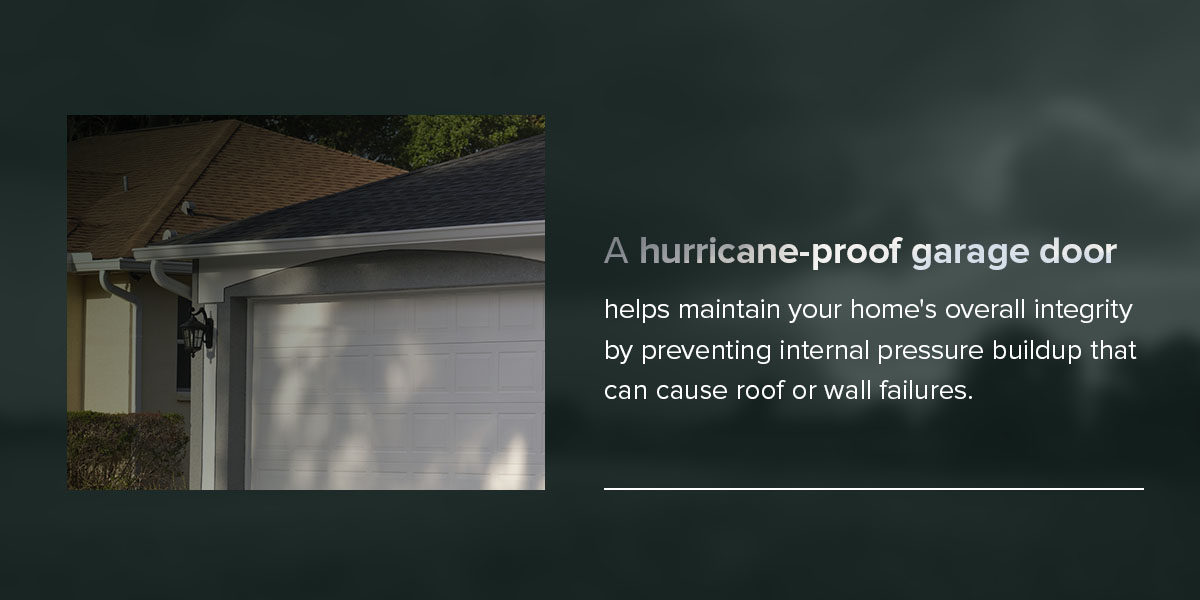
- Structural protection: A hurricane-proof garage door helps maintain your home’s overall integrity by preventing internal pressure buildup that can cause roof or wall failures.
- Reduced risk of costly damage: By keeping high winds and water out, these doors can prevent extensive damage to vehicles, tools and other items inside the garage.
- Confidence before the storm: There’s no substitute for the reassurance that comes from knowing your home is properly secured and ready when a hurricane watch is issued.
- Potential insurance savings: Some insurers offer premium discounts for homes with wind-rated garage doors. Check with your provider to confirm eligibility.
- Long-term value: Compared to the potential cost of post-storm repairs, investing in a hurricane-resistant door offers excellent long-term savings and can even boost resale value.
Choosing the Right Door for Your Charleston Home
While strength, compliance and safety come first, homeowners in Charleston also value architectural charm and curb appeal. Fortunately, modern hurricane-proof garage doors seamlessly combine style and durability.
Many models come in a variety of designs, including traditional raised-panel and carriage house styles that complement the city’s historic and coastal architecture. Material options include:
- Steel: It’s strong and long-lasting, but it’s important to choose galvanized or coated steel to resist salt-air corrosion.
- Aluminum: Lightweight and rust-resistant, aluminum is a great choice for coastal climates. It’s often paired with impact-resistant glass for a modern style.
- Wood: Real wood offers timeless, natural beauty and can be customized for a truly distinctive look. Keep in mind that, in Charleston’s humid and salty environment, wood requires consistent maintenance and sealing to prevent warping or decay.
- Composite or fiberglass: Composite offers the appearance of wood without the maintenance, and it performs well in humid or salty environments.
The right choice depends on your home’s style, proximity to the coast and your design preferences. The garage door pros at Southeastern Garage Doors can offer expert guidance to help you find the perfect wind-load-rated doors in Charleston.
Secure Your Home With Professional Installation and Maintenance
Hurricane-proof garage doors in Charleston require precise installation to make sure the frame, tracks and structural supports work together to handle extreme wind pressure.
A professional installer will verify that the anchoring system and hardware are properly fitted, balanced and tested. These critical details directly impact the door’s performance during a storm.
Once installed, regular garage door maintenance is also important. Periodic inspections, lubrication and tuneups help maintain smooth system operation and extend your door’s lifespan. Proactive care means your investment will continue to protect your home reliably season after season.
A Stronger, Safer Home Starts at the Garage Door
Hurricane preparation in Charleston means thinking beyond sandbags and shutters. Your home’s integrity often depends on one crucial barrier — the garage door. The first step toward a storm-ready home is selecting a wind-rated garage door that can withstand Charleston’s toughest weather. The second is partnering with a trusted local garage door company that knows how to make that protection count.
With Southeastern Garage Doors, you get both. We offer reliable products from trusted brands and professional installation backed by decades of local experience. Our experts can help you select a door that meets Charleston’s wind load requirements while enhancing your home’s look and functionality.
Contact us today to request an estimate for garage door installation in Charleston, SC.